
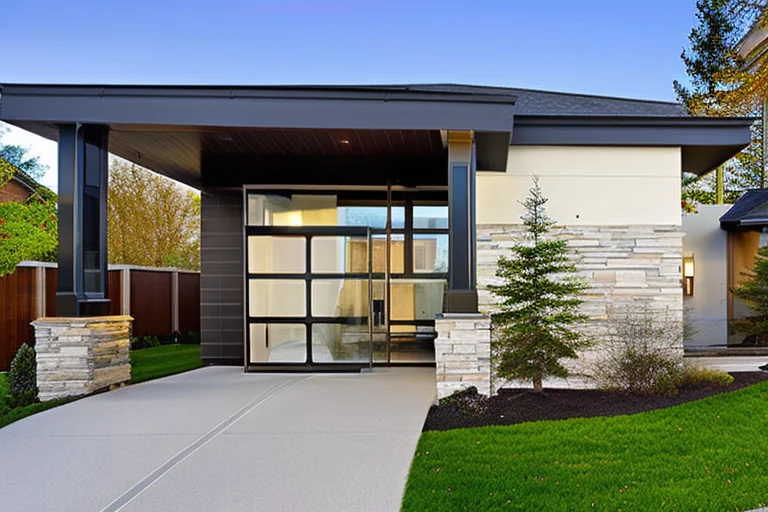
Imagine stepping into your backyard where your canopy automatically adjusts to the perfect amount of shade, collects rainwater for your garden, and even generates solar power for your home. This isn’t science fiction—it’s the exciting reality of modern polycarbonate canopy design. As we move further into the 21st century, these versatile structures are evolving from simple weather protection into intelligent, sustainable systems that enhance our living spaces while minimizing environmental impact. The future of polycarbonate canopies lies at the intersection of smart technology and eco-conscious design, creating solutions that are as beautiful as they are functional.
The Evolution of Smart Canopy Technology
Polycarbonate canopies have come a long way from their basic beginnings. Today’s smart canopies incorporate sophisticated technology that transforms them from passive structures into active environmental managers. Integrated sensors can detect changes in weather conditions, automatically adjusting tint levels or deploying side panels when rain approaches. Motorized ventilation systems maintain optimal air circulation, while built-in lighting adapts to natural light levels throughout the day. These intelligent features work together to create comfortable outdoor spaces that require minimal manual intervention, making them perfect for busy homeowners and commercial applications alike.
The heart of any smart canopy system is its control center. Modern systems can be managed through smartphone apps, voice assistants, or automated schedules. Imagine programming your canopy to provide maximum shade during peak afternoon heat while allowing warming sunlight through on cooler mornings. Some advanced systems even learn your preferences over time, using artificial intelligence to anticipate your needs based on weather patterns and usage history. This level of customization ensures that your outdoor space remains comfortable and functional throughout the changing seasons.
Sustainable Materials and Manufacturing
Sustainability begins with the materials themselves. Modern polycarbonate production has made significant strides in reducing environmental impact. Many manufacturers now use recycled content in their panels, with some products containing up to 90% post-consumer recycled material. The manufacturing process itself has become more energy-efficient, with closed-loop systems that minimize waste and water usage. These advancements mean that today’s polycarbonate canopies not only protect the environment beneath them but also contribute to broader sustainability goals through their production and lifecycle.
The durability of polycarbonate contributes significantly to its sustainable credentials. Unlike other materials that may need replacement every few years, high-quality polycarbonate canopies can last for decades with proper maintenance. This longevity reduces the need for frequent replacements, minimizing waste and resource consumption over time. Additionally, at the end of their long service life, polycarbonate panels are fully recyclable, creating a circular economy where materials can be repurposed rather than ending up in landfills.
Energy Generation and Efficiency Features
One of the most exciting developments in polycarbonate canopy design is the integration of energy-generating capabilities. Transparent solar technology has advanced to the point where polycarbonate panels can now incorporate photovoltaic cells that harvest solar energy while still allowing light transmission. These building-integrated photovoltaics (BIPV) transform canopies into power generators that can offset household energy consumption or even feed excess electricity back into the grid.
Beyond energy generation, smart canopies contribute to overall energy efficiency. By providing strategic shading, they reduce solar heat gain in adjacent buildings, lowering cooling costs during warm months. In cooler seasons, certain polycarbonate formulations allow beneficial solar heat to pass through, providing passive heating. Some advanced systems even incorporate phase-change materials that store thermal energy during the day and release it at night, helping to moderate temperature fluctuations and reduce the energy needed for climate control.
Water Management and Environmental Integration
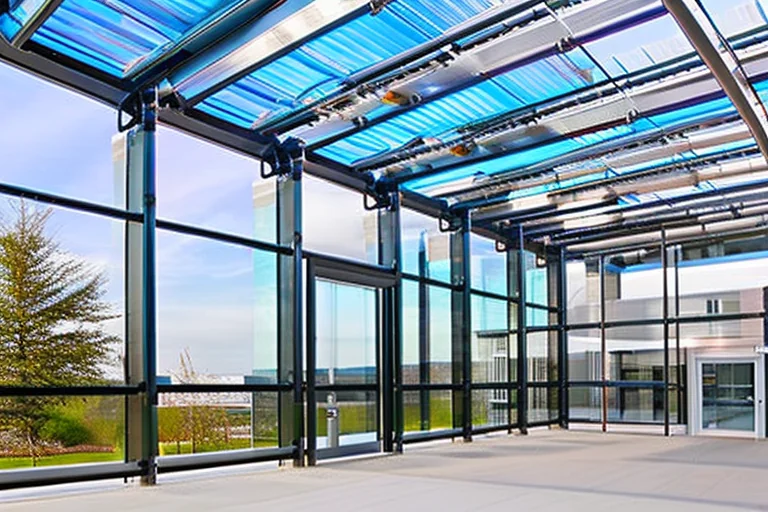
Modern polycarbonate canopies are designed with comprehensive water management systems that turn rainfall from a challenge into an opportunity. Integrated gutter systems collect rainwater that can be stored for irrigation, toilet flushing, or other non-potable uses. Some designs incorporate living roofs or green walls that work in concert with the canopy structure, creating microclimates that support biodiversity while managing stormwater runoff.
The environmental benefits extend beyond water management. Smart canopies can be designed to support local ecosystems by incorporating features like bird-friendly patterns, insect hotels, or even integrated planting systems. The materials used are increasingly selected for their low environmental impact, with manufacturers focusing on reducing embodied carbon and using non-toxic coatings that won’t leach harmful substances into the surrounding environment.
Installation Considerations for Smart Systems
Installing a smart polycarbonate canopy requires careful planning to ensure all technological components work harmoniously. Electrical infrastructure must be properly integrated, with waterproof connections and surge protection for outdoor electronics. Network connectivity needs consideration, especially for systems that rely on Wi-Fi or other wireless protocols. Professional installation is highly recommended, as improper setup can compromise both the technological features and the structural integrity of the canopy.
Maintenance of smart canopies differs from traditional structures. While the polycarbonate panels themselves require minimal upkeep—typically just occasional cleaning—the technological components may need periodic updates, battery replacements, or sensor calibrations. Many manufacturers offer remote diagnostics and over-the-air updates for their smart systems, making maintenance more convenient than ever before. Choosing systems with modular components can also simplify repairs and future upgrades.
Applications Across Various Settings
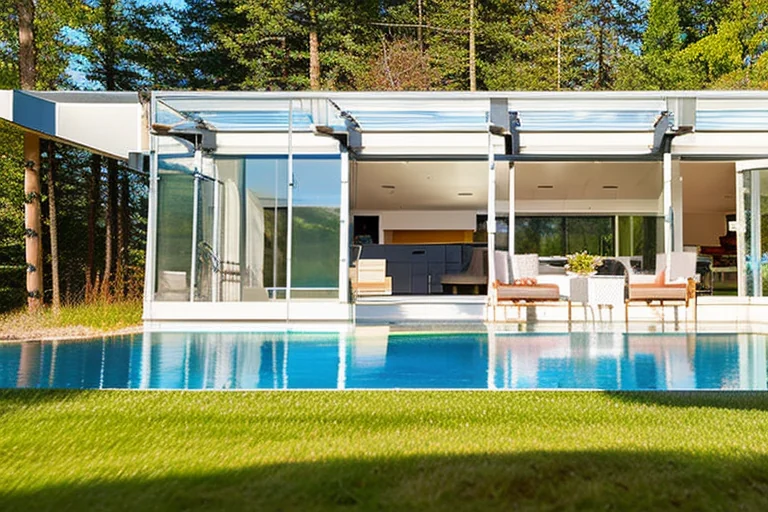
The versatility of smart polycarbonate canopies makes them suitable for numerous applications. In residential settings, they create intelligent outdoor living spaces that extend the usability of patios, decks, and pool areas. Homeowners can enjoy automated comfort control, integrated entertainment systems, and energy generation—all while protected from the elements. The aesthetic flexibility of polycarbonate allows these functional benefits to be delivered in designs that complement any architectural style.
Commercial applications are equally impressive. Restaurants can create climate-controlled outdoor dining areas that adapt to weather conditions throughout the day. Retail spaces use smart canopies to create inviting entrances while reducing energy costs. Educational institutions incorporate them into sustainable campus designs, using the generated solar energy to power facilities while providing sheltered outdoor learning spaces. The scalability of these systems means they can be tailored to projects of any size, from small residential covers to large commercial installations.
The future of polycarbonate canopy design is bright, intelligent, and sustainable. These innovative structures represent a perfect marriage of form and function, offering beauty, comfort, and environmental responsibility. As technology continues to advance, we can expect even more exciting developments in this field, from improved energy efficiency to enhanced smart features that make our outdoor spaces more responsive and enjoyable. Whether you’re considering a canopy for your home or business, embracing these smart and sustainable solutions means investing in a future where our built environment works in harmony with nature.
Ready to explore how a smart polycarbonate canopy can transform your space? Our team of experts is ready to help you design a solution that meets your specific needs while incorporating the latest sustainable technology. Contact Our Canopy Design Experts today to schedule a consultation and take the first step toward creating your intelligent outdoor living space.