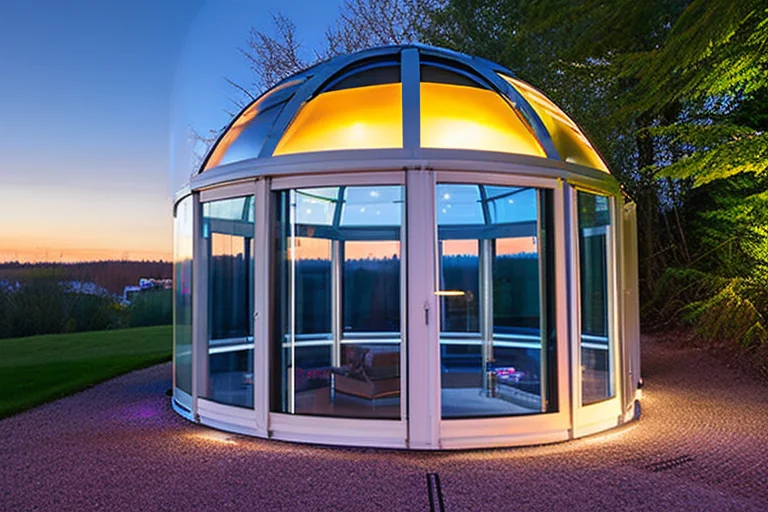
Imagine lying back and watching meteor showers streak across the night sky, completely protected from the elements while maintaining crystal-clear views of the cosmos. This isn’t just a dream for professional astronomers—it’s becoming increasingly accessible to backyard stargazers thanks to innovative polycarbonate canopy solutions. As someone who’s worked with polycarbonate structures for years, I’ve seen how this remarkable material is revolutionizing amateur astronomy by creating affordable, durable, and incredibly effective observatory spaces that bring the universe closer to home.
Why Polycarbonate is Perfect for Astronomy Applications
Polycarbonate offers a unique combination of properties that make it exceptionally well-suited for observatory and stargazing structures. Unlike glass, which can be heavy, fragile, and limited in design flexibility, polycarbonate provides outstanding impact resistance—up to 250 times stronger than glass—while maintaining excellent optical clarity. The multi-wall construction commonly used in observatory applications provides natural thermal insulation, preventing condensation that can fog viewing surfaces and disrupt your celestial observations. Perhaps most importantly, high-quality polycarbonate panels offer UV protection on both sides, preventing yellowing over time and ensuring your view of the stars remains uncompromised for years to come.
Design Considerations for Optimal Stargazing
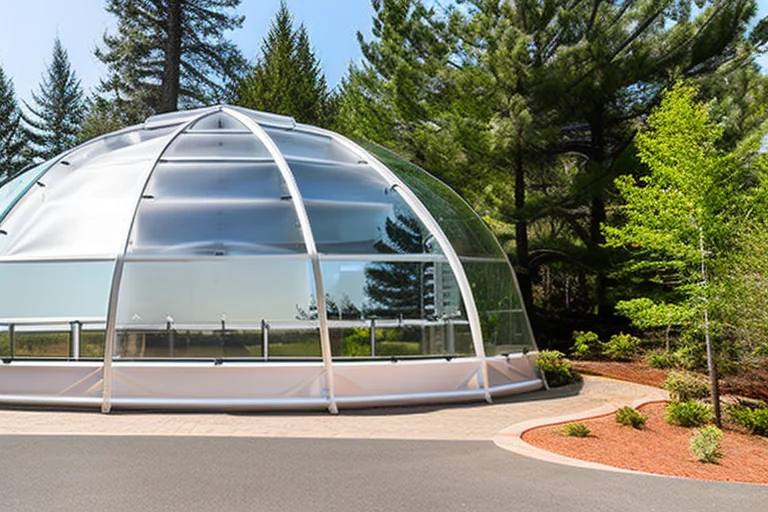
When designing a polycarbonate observatory, several factors must be carefully considered to maximize your stargazing experience. The curvature and angle of your canopy significantly affect both structural integrity and viewing quality. A domed design typically offers the best panoramic views while providing superior weather protection. You’ll want to consider the thickness of the polycarbonate panels—usually between 16mm to 25mm for observatory applications—balancing light transmission with insulation properties. The mounting system should allow for easy opening or retraction if you want occasional open-air observing, and all framing materials should be non-reflective to prevent light pollution from affecting your view.
Light Transmission and Optical Quality
For astronomy applications, light transmission quality is paramount. High-quality polycarbonate panels can transmit up to 91% of visible light while effectively filtering harmful UV radiation. This is crucial because unlike greenhouse applications where diffuse light is beneficial, stargazing requires minimal light distortion. Advanced polycarbonate formulations now include anti-condensation coatings and anti-reflective treatments that further enhance viewing clarity. The multi-chamber design of thicker panels also helps maintain consistent interior temperatures, reducing thermal currents that can distort your view through telescopes.
Installation Best Practices for Observatory Canopies
Proper installation is critical for maximizing the performance and longevity of your polycarbonate observatory. The foundation must be perfectly level and stable to prevent structural stress that could lead to leaks or optical distortion. All framing members should be aluminum or stainless steel to prevent rust and thermal expansion issues. During installation, special attention must be paid to the sealing system—using specialized polycarbonate-compatible seals and ensuring proper thermal expansion gaps are maintained. The panel orientation should be planned so the UV-protected side faces outward, and all cut edges must be properly sealed with end caps and tape to prevent moisture ingress and dust accumulation.
Thermal Management and Ventilation Solutions
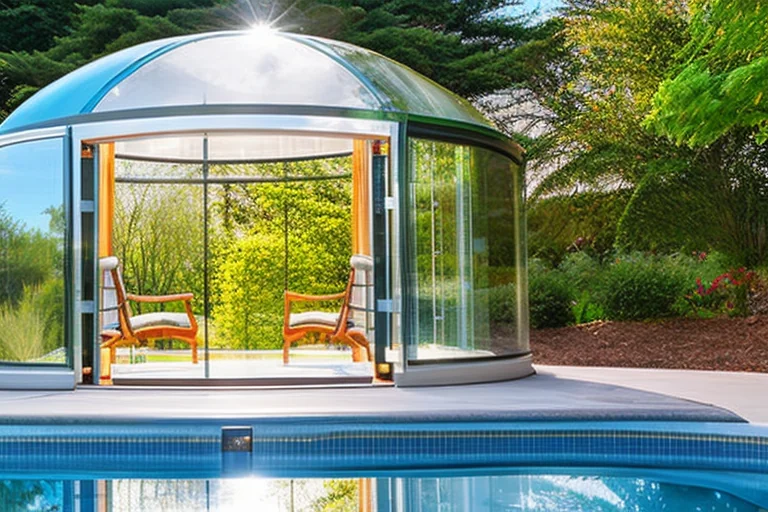
Temperature control is often overlooked in observatory design but is crucial for optimal performance. Polycarbonate’s natural insulation properties help maintain stable interior temperatures, but additional ventilation is usually necessary. Strategic placement of operable vents or integrated fan systems prevents heat buildup during the day and minimizes thermal currents at night. For colder climates, consider adding a supplemental heating system to prevent frost formation. The beauty of polycarbonate is that these systems can be seamlessly integrated into the structure without compromising its weathertight integrity or optical quality.
Maintenance and Long-Term Performance
One of the greatest advantages of polycarbonate observatories is their minimal maintenance requirements. Unlike traditional observatory domes that may require frequent painting or sealing, polycarbonate structures need only occasional cleaning with mild soap and water. The UV-resistant coating prevents degradation and yellowing, ensuring consistent optical performance for decades. It’s important to inspect seals and hardware annually, and clear any accumulated debris from gutters or drainage channels. With proper care, a quality polycarbonate observatory can provide a lifetime of stargazing enjoyment with remarkably little upkeep.
Customization Options for Unique Applications
The flexibility of polycarbonate allows for incredible customization in observatory design. From traditional domes to more contemporary geometric shapes, the material can be cold-formed to create virtually any curvature desired. Integration with automated opening systems, built-in seating, telescope mounts, and even climate control systems is straightforward. For educational institutions or public observatories, polycarbonate can be tinted or treated with special coatings to create one-way visibility—allowing interior lighting for educational purposes without compromising exterior dark adaptation for observers.
Budget Considerations and Value Proposition
When compared to traditional observatory construction methods, polycarbonate solutions typically offer significant cost savings—often 30-50% less than comparable glass or metal structures. The lightweight nature of polycarbonate reduces foundation requirements and simplifies installation, further lowering overall costs. Despite the lower initial investment, the durability and longevity of polycarbonate ensure excellent long-term value. For astronomy enthusiasts looking to create a dedicated observing space without professional observatory budgets, polycarbonate canopies represent an accessible entry point that doesn’t compromise on performance.
Ready to bring the universe into your backyard with a custom polycarbonate observatory? Our team specializes in creating breathtaking stargazing spaces tailored to your specific needs and location. Contact Our Canopy Design Experts today for a free consultation and discover how we can help you create the perfect celestial viewing environment that will provide years of astronomical enjoyment.