
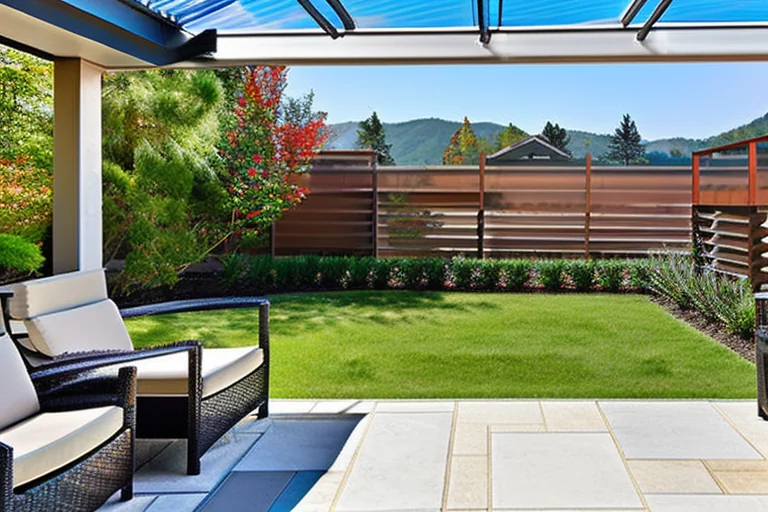
Imagine transforming your outdoor space with a beautiful polycarbonate canopy that provides shade, weather protection, and adds value to your property. While the excitement of this home improvement project is understandable, many homeowners overlook a critical step: understanding and obtaining the proper building permits and complying with local regulations. Navigating the world of permits might seem daunting, but it’s essential for ensuring your canopy installation is legal, safe, and built to last. Whether you’re covering a patio, creating a carport, or adding an elegant entranceway, taking the time to understand local requirements will save you from potential headaches, fines, or even having to remove your beautiful new structure.
Why Building Permits Matter for Canopy Installation
Building permits exist for important reasons that go beyond mere bureaucracy. When you obtain a permit for your polycarbonate canopy, you’re ensuring that your structure meets safety standards, complies with local building codes, and doesn’t violate zoning regulations. The permit process involves having your plans reviewed by professionals who check that your canopy design can withstand local weather conditions, including wind, snow, and rain loads. This review process helps prevent structural failures that could cause property damage or personal injury. Additionally, permitted work becomes part of your property’s official records, which can be crucial when selling your home as it demonstrates that improvements were done properly and legally.
Many homeowners wonder if they can skip the permit process, especially for what seems like a simple structure. However, the consequences of unpermitted work can be significant. You might face fines, be required to remove the canopy, or encounter problems during property inspections when selling your home. Insurance companies may also deny claims related to unpermitted structures. The peace of mind that comes with proper permitting is well worth the effort and minimal fees involved.
Common Zoning and Building Code Requirements
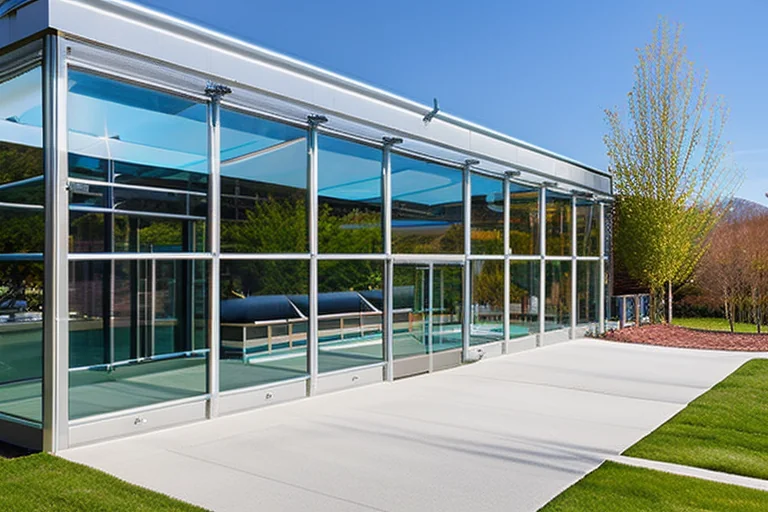
Zoning regulations and building codes vary significantly by location, but several common requirements apply to polycarbonate canopy installations across most jurisdictions. Setback requirements dictate how close your canopy can be to property lines, which helps maintain neighborhood aesthetics and prevents encroachment issues. Height restrictions are another common regulation, often limiting structures to prevent blocking views or creating shadows on neighboring properties. Many areas also have coverage ratio rules that limit the percentage of your lot that can be covered by structures.
Size and Placement Considerations
The size of your planned canopy greatly influences whether you’ll need a permit. Most jurisdictions require permits for canopies exceeding certain dimensions, typically around 100-200 square feet. Freestanding canopies often have different requirements than those attached to your home. Attached canopies usually need more scrutiny since they connect to your home’s structure and must integrate properly with existing roofing and drainage systems. The placement relative to property lines, existing structures, and utility easements all factor into permit requirements.
Material-Specific Regulations
Polycarbonate panels have specific advantages that sometimes affect regulatory considerations. Their lightweight nature often means simpler foundation requirements compared to heavier materials, but their transparency might trigger additional regulations in some areas. Fire ratings, UV protection standards, and impact resistance requirements may also apply depending on your local building codes. Many municipalities have specific rules about how polycarbonate can be used in different applications, particularly for commercial structures versus residential installations.
The Permit Application Process Explained
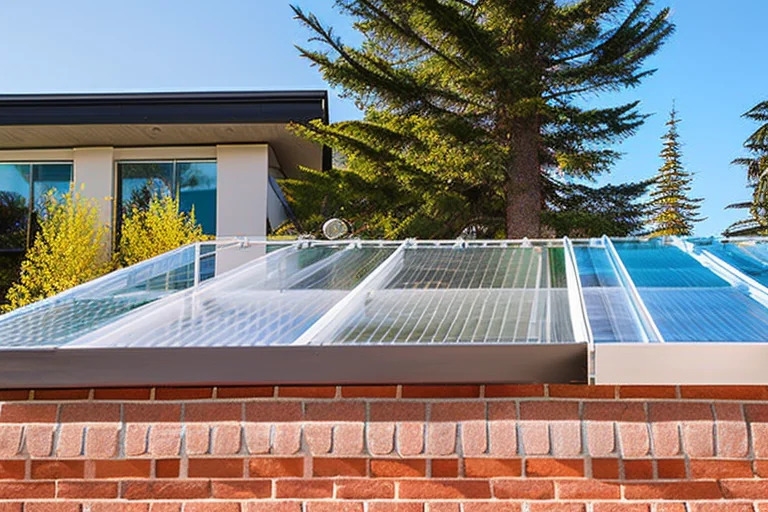
Navigating the permit application process begins with contacting your local building department. Most municipalities have websites with detailed information about required documents, fees, and processing times. You’ll typically need to submit scaled drawings showing your canopy’s design, dimensions, materials, and placement on your property. Many jurisdictions require proof of property ownership and may need your contractor’s license information if you’re hiring professionals. The review process can take anywhere from a few days to several weeks depending on your location and the complexity of your project.
After submitting your application, you might need to meet with a plans examiner who will review your documents for compliance with local codes. Once approved, you’ll receive your permit and can begin construction. Most areas require inspections at various stages of the installation process, typically including foundation inspection before concrete is poured and final inspection after completion. Keeping your permit visibly posted at the job site and coordinating inspections in advance will help your project proceed smoothly.
Special Considerations for Different Property Types
Residential properties typically have different requirements than commercial installations. Homeowner associations often impose additional restrictions beyond municipal codes, including aesthetic requirements regarding color, style, and materials. If you live in a historic district or conservation area, you may face even stricter regulations aimed at preserving architectural character. Commercial properties must consider accessibility requirements under the Americans with Disabilities Act, plus additional safety considerations for public spaces.
Properties in areas prone to extreme weather conditions like hurricanes, heavy snowfall, or seismic activity will have specific structural requirements. These might include reinforced foundations, additional bracing, or special attachment methods. Coastal areas often have corrosion resistance requirements for fasteners and structural components. Understanding these location-specific factors early in your planning process will help ensure your polycarbonate canopy meets all necessary standards.
Working with Professionals vs. DIY Installation
While many skilled homeowners can install polycarbonate canopies themselves, working with professional installers often simplifies the permit process. Reputable contractors typically handle permit applications as part of their service, using their knowledge of local requirements to ensure compliance. They understand the specific documentation needed and can often navigate the approval process more efficiently. Professionals also carry insurance that protects you during installation and can provide warranties on both materials and workmanship.
If you choose the DIY route, you’ll need to personally manage the permit process. This involves researching local requirements, preparing accurate drawings, submitting applications, scheduling inspections, and ensuring all work meets code standards. Many building departments offer guidance for homeowners undertaking their own projects, and some provide checklists or pre-application consultations to help you understand what’s required. Whether you hire professionals or DIY, the key is starting the permit process before purchasing materials or beginning construction.
Ready to move forward with your polycarbonate canopy project but unsure about local regulations? Contact Our Canopy Design Experts for personalized guidance on permit requirements and professional installation services. Our team has extensive experience navigating building codes across different municipalities and can help ensure your project complies with all regulations while meeting your design vision and functional needs.