For decades, polycarbonate canopies were synonymous with one thing: crystal-clear, greenhouse-like transparency. While that clarity remains a valuable asset, modern manufacturing has unlocked a vibrant palette of possibilities that transform these structures from purely functional shelters into key elements of architectural expression. Today, the world of polycarbonate extends far into the realm of creative color options and sophisticated finishes, allowing designers and homeowners to control light, mood, and aesthetics with unprecedented precision. Choosing the right hue or texture isn’t just about looks; it’s a strategic decision that impacts thermal performance, privacy, and the seamless integration of a canopy into its surrounding environment. Let’s move beyond the conventional and explore how these innovative options can redefine your outdoor space.
The Foundation: Understanding Polycarbonate Color Technology
Before diving into the rainbow of choices, it’s helpful to understand how color is integrated into polycarbonate sheets. Unlike a simple surface paint that can chip or fade, most high-quality colored polycarbonate utilizes a co-extrusion or bulk-dyeing process. This means the colorant is mixed directly into the polycarbonate resin before it’s formed into sheets, ensuring the color is consistent throughout the entire thickness of the panel. This integral coloring is what provides exceptional longevity and UV stability, preventing the unsightly yellowing or fading that plagues inferior materials. The result is a canopy that maintains its aesthetic appeal for years, resisting the harsh effects of sunlight and weather. This core technology is the reason you can confidently select a deep bronze or a vibrant opal white without worrying about rapid degradation.
A Spectrum of Choices: Popular Color Tints and Their Effects
The available color spectrum for polycarbonate canopies is designed to serve both form and function. Each tint interacts with sunlight in a unique way, influencing the ambiance and performance of the sheltered space.
Bronze and Gray Tints
These are arguably the most popular choices for a reason. Bronze and gray tints offer a sleek, modern appearance that reduces glare and solar heat gain more effectively than clear panels. They provide a neutral, sophisticated look that complements a wide range of architectural styles, from contemporary minimalist homes to traditional brick facades. The space underneath takes on a cooler, subtly shaded quality, perfect for creating a comfortable outdoor living or dining area. For those considering a new installation, exploring various custom terrace solutions will show how these tints can be integrated into different frame colors and designs.
Opal White and Milky Finishes
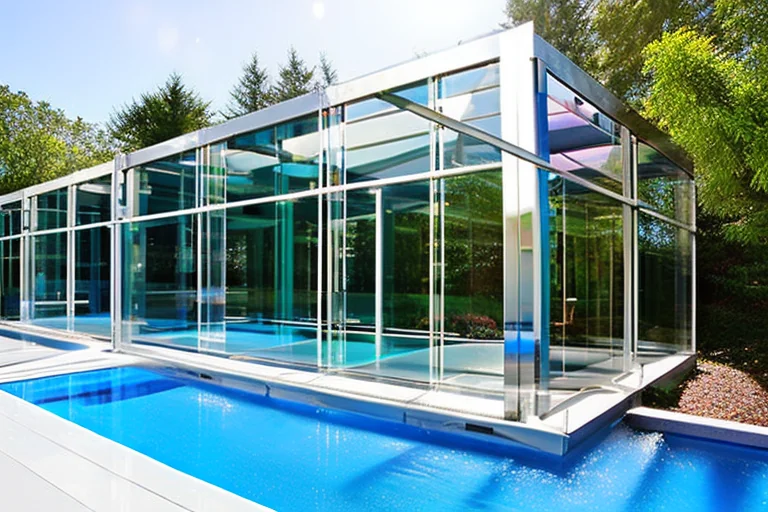
If your goal is to maximize light diffusion while maintaining privacy, opal white is a stellar choice. This finish scatters incoming light evenly, eliminating harsh shadows and hotspots. It creates a beautifully soft, luminous glow underneath the canopy, ideal for covered walkways, pool enclosures, or studio spaces where even, shadow-free light is desired. It also offers a degree of opacity, shielding the area above from direct view, which can be a valuable asset in urban or densely populated settings.
Blue and Green Tints
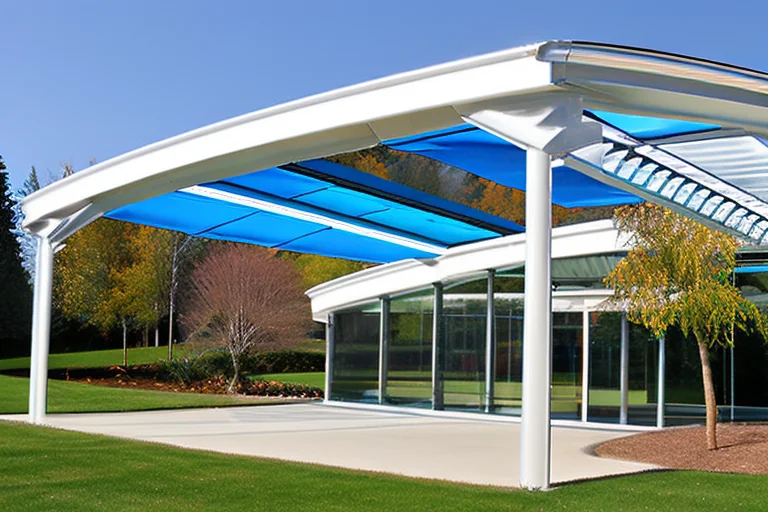
For a cooler, more relaxed atmospheric effect, light blue and green tints are excellent. Blue tints can mimic the quality of skylight and are often perceived as calming, making them great for residential patios or spa areas. Green tints can enhance the connection to a garden landscape, casting a gentle, verdant hue that complements surrounding foliage. These colors typically allow for good light transmission while taking the edge off the intensity of direct sunlight.
Beyond Color: The World of Specialized Finishes and Textures
Color is just one dimension. The surface finish of the polycarbonate sheet dramatically alters how light is transmitted, reflected, and perceived.
Textured and Prismatic Finishes
Sheets with a textured surface on one or both sides are designed to diffuse light even more thoroughly than opal finishes. These textures can range from fine stippling to pronounced prismatic patterns. A prismatic finish, for instance, can bend and scatter light in captivating ways, creating dynamic patterns of brightness and shadow that change throughout the day. This is not just aesthetic; it significantly reduces glare, making a canopy-covered area much more comfortable for reading, working, or socializing.
Matte and Anti-Glare Finishes
For commercial applications or homes with large glass windows opposite the canopy, a matte or specific anti-glare finish is a smart consideration. These finishes minimize light reflection off the canopy’s surface. This prevents the canopy itself from becoming a source of bright, distracting glare for people inside the building, preserving both views and visual comfort. It’s a detail that showcases the thoughtful application of material science in architectural design.
Making the Right Choice: Factors to Guide Your Selection
With so many alluring options, selecting the perfect color and finish requires balancing several key factors. First, consider the primary function. Is it for shade over a south-facing kitchen window? A bronze tint might be best for heat reduction. Is it for a covered walkway where safety and even light are paramount? An opal white or textured finish would be ideal. Next, assess the architectural context. The canopy should harmonize with your home’s siding, roof color, and trim. A cool gray tint might pair well with modern gray siding, while a bronze could warm up a home with earth-toned bricks.
Climate plays a crucial role. In hot, sunny regions, a tint that blocks a higher percentage of solar radiation (like bronze or gray) will enhance comfort. In cooler, cloudier climates, you might prioritize light transmission with a lighter tint or a clear panel with a UV coating. Don’t forget the view from underneath. Spend a moment imagining the quality of light you want to experience. Do you want to see clear sky outlines, a soft glow, or a cool, shaded ambiance? Finally, always consult technical data sheets for the specific product’s light transmission percentage, UV protection rating, and thermal coefficients to ensure it meets your performance needs.
Installation and Long-Term Considerations
It’s a common misconception that colored or finished panels require different installation techniques. The structural installation process for multi-wall or solid polycarbonate sheets remains consistent regardless of color. However, your choice can impact ancillary details. For instance, a darker tint might make the aluminum support frame less visually prominent, allowing it to recede, while a light opal finish might contrast with a dark frame for a bold, graphic look. Long-term maintenance is generally unaffected; the same cleaning recommendations apply. The inherent UV resistance of the co-extruded color ensures that your choice will remain vibrant, protecting your investment and the beauty of your outdoor space for the long haul. Understanding these advantages of quality canopies reinforces why material choice is so critical.
The evolution of polycarbonate from a purely transparent material to a versatile design element is a game-changer for architects and homeowners alike. By thoughtfully selecting from the array of colors and finishes now available, you can do much more than simply create shade. You can sculpt light, define ambiance, enhance architectural harmony, and improve the energy efficiency of your property. Your canopy becomes a deliberate, integrated feature of your design, not just an afterthought. Ready to see these options in the context of a complete project? We invite you to Browse Our Complete Polycarbonate Canopy Collection for inspiration and to Contact Our Canopy Experts Today for a personalized consultation to bring your vision to life.