
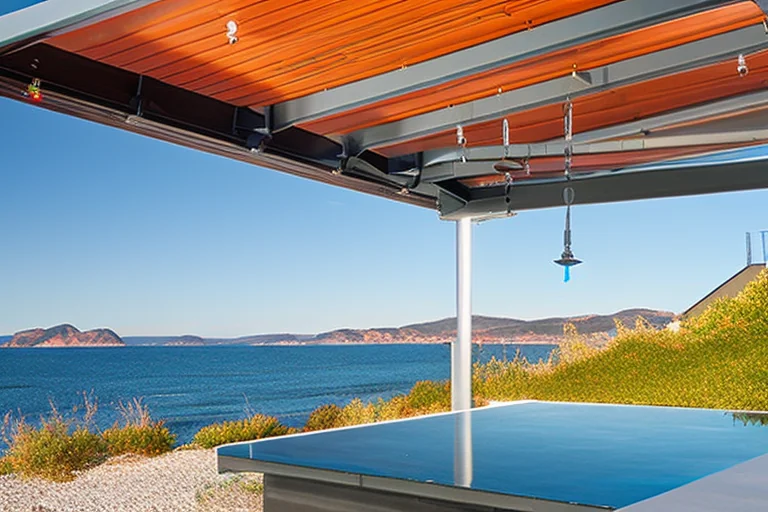
When you’re investing in an outdoor structure like a polycarbonate canopy, the last thing you want is to see it become a dangerous projectile during the next storm. In high-wind areas, from coastal communities battered by sea breezes to inland plains susceptible to sudden gusts, the difference between a lasting asset and a costly failure lies beneath the surface. The anchoring system is the unsung hero of architectural resilience. It’s not just about holding the structure down; it’s about engineering a connection to the earth that can dynamically resist the complex forces of uplift, shear, and overturning. As a professional involved in specifying and installing these systems, I’ve seen that a well-designed canopy is only as good as its foundation. This guide will walk you through the critical considerations, from understanding wind load calculations to selecting and installing the right anchors, ensuring your polycarbonate canopy stands firm for decades.
Understanding Wind Loads: The Science Behind the Force
Before you can choose an anchor, you must understand what you’re anchoring against. Wind load is not a constant push; it’s a dynamic, often violent, interaction between air and structure. For canopies, the primary concerns are uplift and lateral pressure. As wind flows over and around a canopy, it can create significant negative pressure (suction) on the leeward side and underside, literally trying to lift the entire assembly off the ground. Simultaneously, lateral forces push against the vertical posts and panels. The calculation of these forces is governed by building codes, which reference complex formulas based on factors like basic wind speed (mapped by geographic zone), the structure’s exposure category (open terrain, suburban, urban), its height, and its importance factor. A canopy protecting a hospital entrance, for instance, requires a higher safety factor than one in a private backyard. The shape of your canopy also plays a role; a gable or arched design can be more aerodynamic than a flat roof, potentially reducing wind catch. Ignoring these calculations isn’t just risky—it’s a direct path to structural failure.
Types of Anchoring Systems for Maximum Security
Selecting the correct anchoring system is a marriage of soil conditions, structural design, and local building requirements. There is no one-size-fits-all solution, especially in high-wind zones.
Concrete Foundations: The Gold Standard
For permanent, heavy-duty installations, concrete is often the preferred choice. The most common methods include concrete piers, continuous footings, and slab integrations. A concrete pier involves digging a hole deeper than the frost line, setting a post base or the post itself into the hole, and pouring concrete around it. This creates a massive, below-grade block that resists uplift through sheer weight and friction. For structures with multiple posts in a row, a continuous concrete footing trench can tie them together, distributing loads evenly. When integrating with an existing concrete slab, using specialized expansion anchors or chemical epoxy bolts that penetrate deep into the slab is crucial. The key is ensuring the concrete has adequate compressive strength and that the connection hardware—the steel bracket or anchor bolt—is rated for the calculated loads.
Mechanical Ground Anchors and Helical Piles
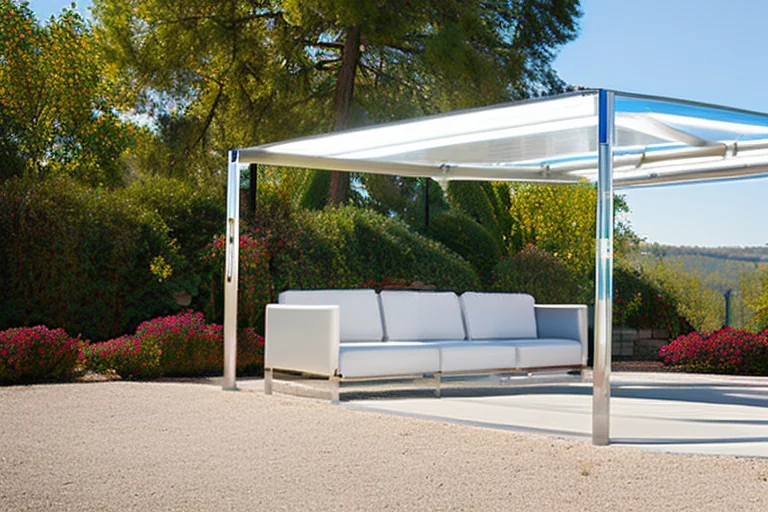
In situations where pouring large amounts of concrete is impractical or where soil conditions are challenging, mechanical anchors offer a powerful alternative. Helical piles, or screw piles, are steel shafts with helical plates that are literally screwed into the ground using hydraulic machinery. They work like a screw in wood, transferring tension and compression loads deep into stable soil strata. They are excellent for areas with poor topsoil or high water tables. Another option is driven ground anchors, which are rods pounded into the earth and then expanded at the tip to create a secure hold. These systems are particularly effective for resisting pure uplift forces, making them a smart component in a comprehensive anchoring strategy for complex installations like large-span or multi-faceted structures.
The Role of Polycarbonate in Wind-Resistant Design
The canopy material itself is a key player in wind performance. Polycarbonate sheets, especially multi-wall varieties, offer a unique combination of strength and lightness. Their high strength-to-weight ratio means the dead load of the structure is lower than with glass or solid roofing, which actually reduces the required resistance to overturning. However, their flexibility must be managed. Properly engineered polycarbonate canopy systems use robust aluminum or steel framing profiles designed to securely clamp the panels, preventing them from fluttering or being sucked out of their channels in high winds. The panels should also be installed with consideration for thermal expansion, using appropriate fasteners and seals that maintain their grip under all weather conditions. Furthermore, the inherent durability of polycarbonate means the entire assembly maintains its integrity over time, avoiding the material degradation that can weaken a structure’s wind resistance. This contributes significantly to the long-term, low-maintenance benefits of choosing this modern material.
Installation Best Practices and Code Compliance
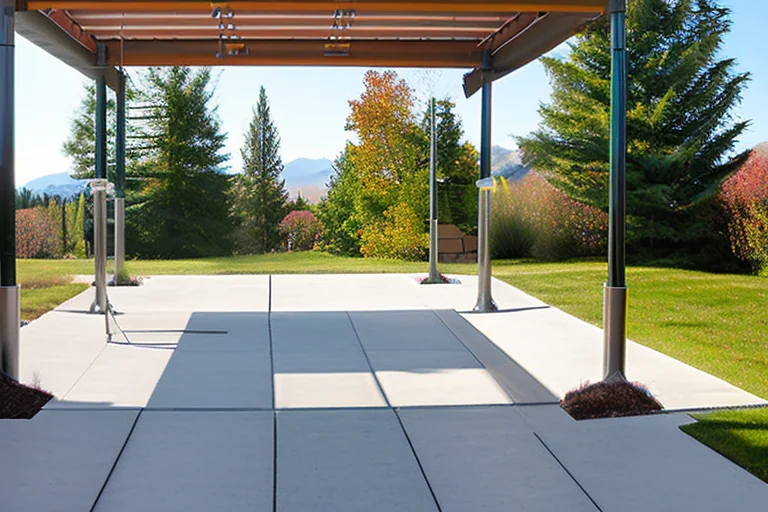
Even the best-designed anchor is useless if installed incorrectly. The process begins with a professional site assessment, including a check for underground utilities and a soil test. Excavation must reach stable, undisturbed soil below the frost line to prevent heaving. When setting posts in concrete, it’s vital to brace them perfectly plumb and level until the concrete cures fully—a process that can take weeks to reach full strength. All hardware, from J-bolts to post bases, must be made of galvanized or stainless steel to resist corrosion, which is a silent killer of structural integrity. Crucially, your entire design and installation must comply with local building codes, which are legally enforceable minimum standards for safety. In many high-wind zones, this will require submitting plans for a permit and potentially scheduling inspections during the footing pour and after completion. Working with experienced professionals who understand these requirements is not a luxury; it’s a necessity for liability, safety, and longevity.
Ensuring Long-Term Performance and Peace of Mind
After installation, the job isn’t over. A routine maintenance schedule should include inspecting all anchor points, hardware, and connections for signs of corrosion, cracking in concrete, or loosening. Pay special attention after any major storm event. The surrounding drainage should also be maintained to prevent water from pooling around post bases, as erosion can undermine foundations over time. For property owners, investing in a properly engineered and anchored system provides immeasurable peace of mind. It transforms a polycarbonate canopy from a fair-weather feature into a year-round asset that protects people, vehicles, and property reliably, regardless of what the weather brings. It safeguards your investment and ensures the structure enhances your property value safely and permanently.
Don’t leave the security of your outdoor structure to chance. The complexities of wind loads and anchoring demand expert guidance. We invite you to browse our complete polycarbonate canopy collection designed with durability in mind and then contact our canopy experts today for a personalized consultation on the right anchoring solution for your specific location and needs. Let’s build something that lasts.