
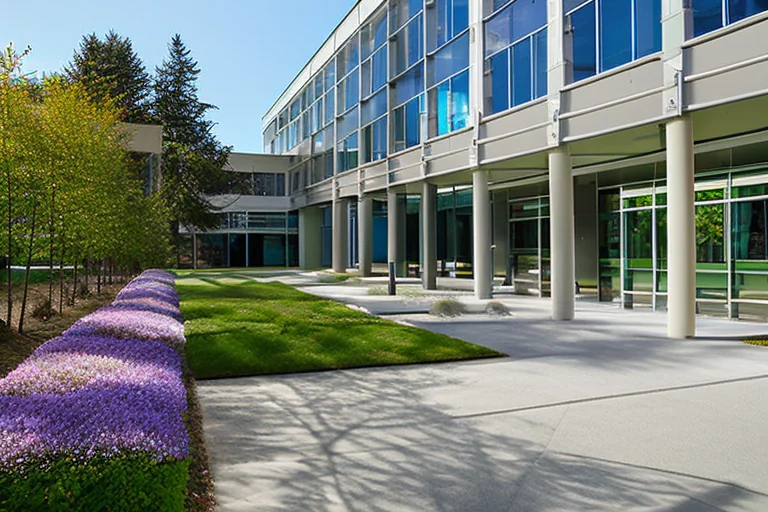
When we think about designing effective educational spaces, the conversation often stays within four walls. But some of the most dynamic and beneficial learning happens just outside the classroom door. As an architect specializing in educational facilities, I’ve seen a significant shift toward embracing outdoor environments as integral parts of the learning ecosystem. At the heart of this transformation is a versatile, high-performance material: polycarbonate. Installing polycarbonate canopies at schools, universities, and other educational institutions isn’t just about adding shade; it’s a strategic investment that enhances safety, expands functional space, and directly supports educational outcomes. These structures bridge the gap between indoor and outdoor, creating sheltered, usable areas that are resilient to weather and adaptable to a multitude of needs, from chaotic morning drop-offs to quiet afternoon study sessions.
Why Polycarbonate is the Ideal Choice for Educational Settings
Selecting building materials for a school involves a unique set of criteria. Safety, durability, cost-effectiveness, and minimal maintenance are paramount. Polycarbonate, a robust thermoplastic polymer, excels in all these areas, making it superior to traditional options like glass, fabric, or metal roofing for canopy applications. Its most celebrated feature is its exceptional impact resistance—it’s virtually unbreakable under normal conditions, which is a critical safety consideration in environments with high student activity. Unlike glass, it won’t shatter into dangerous shards. Furthermore, high-quality polycarbonate sheets are coated to block 99.9% of harmful UV rays, protecting young skin during outdoor activities. This material is also remarkably lightweight, which simplifies support structure design and can reduce overall project costs. Its natural thermal insulation properties help moderate temperatures beneath the canopy, creating a more comfortable microclimate. For school boards and facility managers, the long-term value is clear: polycarbonate canopies withstand harsh weather, require little upkeep beyond occasional cleaning, and maintain their clarity and structural integrity for decades, providing a reliable return on investment.
Key Benefits for Students, Staff, and Administration
The advantages of integrating polycarbonate canopies into a school’s infrastructure are wide-ranging, touching every aspect of campus life.
Creating Safe and Functional Transition Zones
School entrances, bus loops, and parent drop-off lanes are high-traffic areas that become chaotic and hazardous in rain or intense sun. A well-planned canopy over these zones transforms them. It provides immediate shelter, allowing students to exit vehicles or buses and enter the building without getting drenched or overheating. This smooths traffic flow, reduces congestion, and significantly enhances safety by improving visibility and organization. It also offers a dignified, dry waiting area for walkers and bike riders. For optimal coverage in complex architectural layouts, such as wrapping around a building’s entrance, specialized corner canopy solutions are invaluable for creating seamless, leak-free shelter.
Expanding the Learning Landscape with Outdoor Classrooms
Educational research consistently shows the benefits of outdoor and experiential learning. A polycarbonate canopy literally lays the foundation for an outdoor classroom. It provides a defined, weather-protected space where teachers can conduct lessons, group projects, or artistic activities without the threat of a sudden downpour or harmful sun exposure. The diffused, natural light that passes through polycarbonate is ideal, reducing glare on digital screens and creating a pleasant atmosphere conducive to focus. This expands the school’s usable square footage at a fraction of the cost of a brick-and-mortar addition, offering flexibility that indoor rooms cannot.
Enhancing Social and Dining Spaces
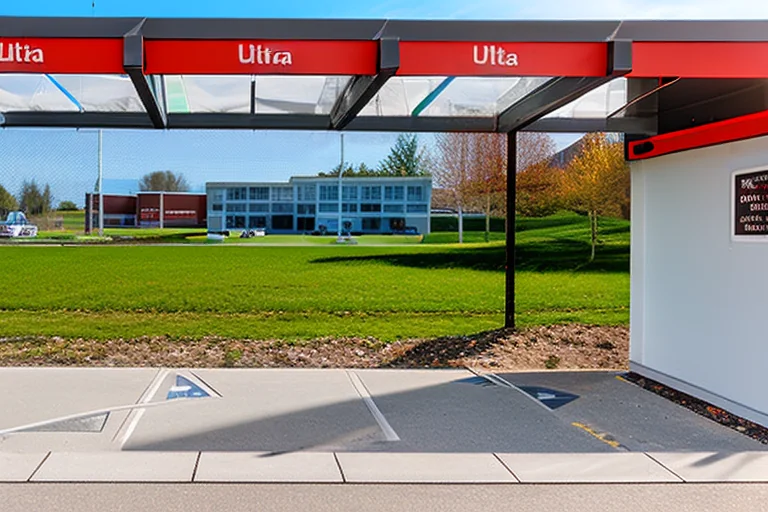
The cafeteria and courtyard are hubs of social development. A canopy over outdoor lunch tables ensures that meal times are not disrupted by weather, encouraging students to socialize and decompress in the fresh air. This can alleviate indoor cafeteria overcrowding. Similarly, covering courtyards or play areas with canopies creates shaded retreats for reading, club meetings, or casual interaction, promoting student well-being and providing alternative settings for non-structured time.
Promoting Physical Activity and Play
Sun protection is crucial for playgrounds. Polycarbonate canopies can be engineered to cover portions of play structures, sandboxes, or seating areas, allowing for safer play during peak UV hours. This encourages physical activity throughout the day and across all seasons, supporting health and wellness initiatives mandated by many school districts.
Design Considerations and Architectural Integration
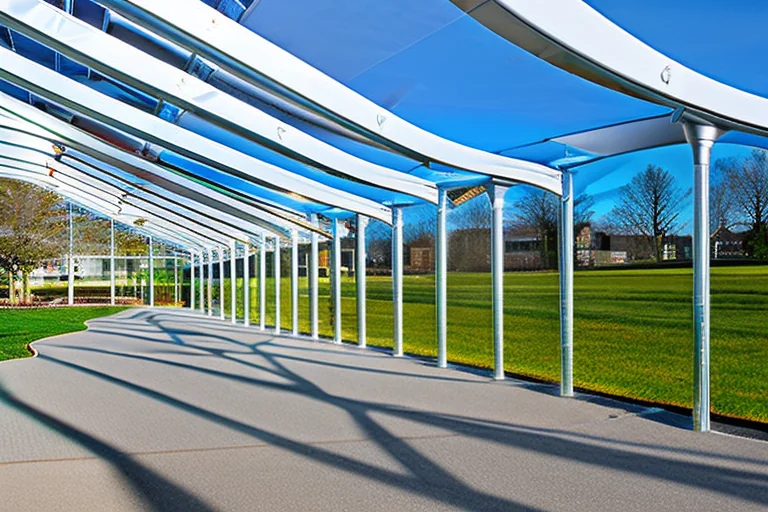
A successful canopy project is one that looks like it was always part of the campus. Good design is essential. Polycarbonate is available in a spectrum of tints—clear, bronze, blue, green, opal—and in multi-wall or solid sheet profiles. The choice affects light transmission, solar heat gain, and aesthetic. A clear, multi-wall panel might be perfect for an outdoor classroom to maximize light, while a tinted option could be better for a south-facing dining area to enhance cooling. The structural framework, typically aluminum or steel, must be engineered for local snow and wind loads. This is where expert engineering for large-scale structures becomes non-negotiable, ensuring longevity and safety. The canopy’s form should complement the school’s architecture, whether it’s a sleek, modern flat plane, a graceful curved design, or a series of interconnected bays. Thoughtful placement to manage rainwater runoff and integrate with existing drainage is also a critical technical detail.
Navigating the Project: From Concept to Completion
For school administrators, the process begins with identifying the primary need: Is it safety at the entrance, more lunch space, or an outdoor learning area? Engaging a specialist early is key. A professional site assessment will evaluate sun path, wind patterns, existing structures, and utilities. They will help navigate any permitting requirements with local authorities. A key advantage of polycarbonate canopy systems is their potential for modular or pre-fabricated installation, which can minimize disruption to the school schedule—a major concern for active campuses. Many providers offer turnkey services from design and engineering to fabrication and installation, streamlining the project for the school’s facility team.
The Long-Term Value Proposition for Schools
Beyond the immediate functional benefits, polycarbonate canopies represent a wise long-term asset. They extend the life of underlying surfaces like concrete or asphalt by shielding them from direct UV degradation and weathering. They can contribute to energy savings by shading building facades and windows, reducing cooling loads in adjacent rooms. Perhaps most importantly, they demonstrate a commitment to student comfort, safety, and innovative learning environments. This enhances the campus aesthetic and can even positively impact property value and community perception. In an era where educational facilities must be adaptable and resilient, the polycarbonate canopy is a simple, powerful tool for building a better, more functional school environment.
Ready to explore how a polycarbonate canopy can solve space, safety, and functionality challenges on your campus? The journey starts with a conversation. Contact Our Canopy Experts Today to discuss your specific needs, or View Our Canopy Styles and Structures to gather inspiration for your project. Let’s work together to create outdoor spaces that educate, protect, and inspire.