When you’re looking at quotes for a new polycarbonate canopy, that initial number can feel like a significant investment. It’s natural to focus on the upfront cost of materials and labor. However, as a professional in architectural exteriors, I always advise clients to zoom out. The true value of a polycarbonate structure isn’t captured in the installation invoice; it’s revealed over the subsequent years of ownership. This analysis isn’t about finding the cheapest option today, but the most intelligent investment for the next decade or two. We’re going to dissect both sides of the equation: what you pay at the start, and what you save—or avoid spending—over the long haul. This perspective shift is essential for homeowners and business owners alike to make a decision they won’t regret.
Understanding the Initial Investment: Where Your Money Goes
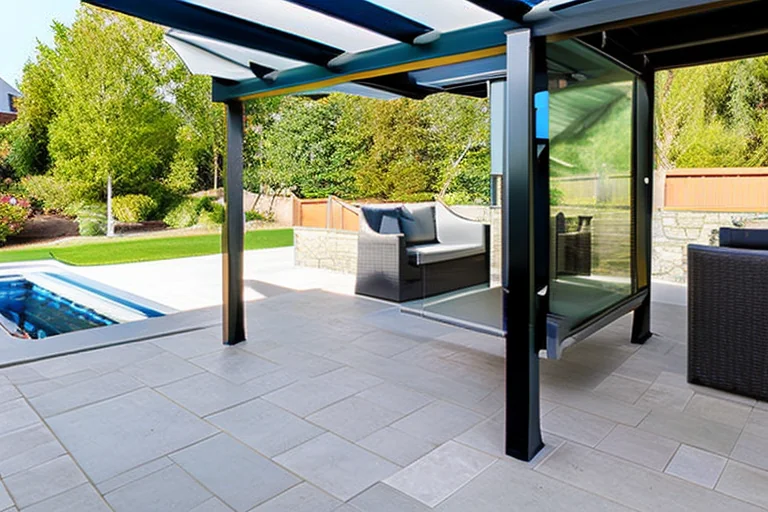
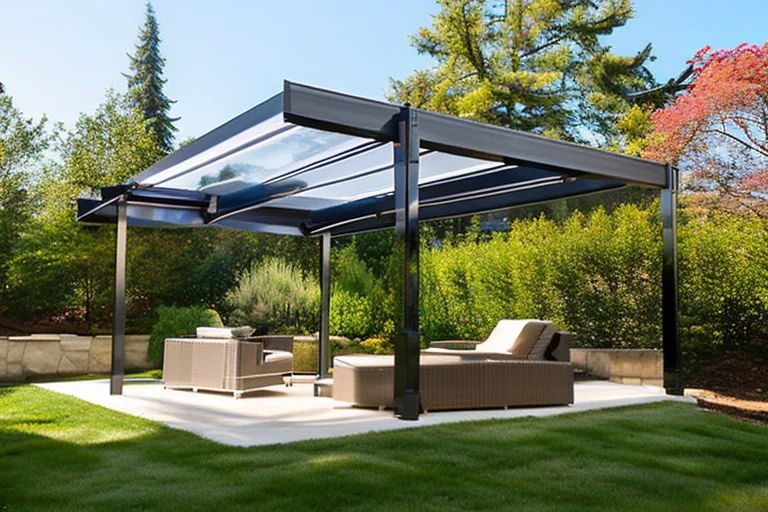
The initial cost of a polycarbonate canopy is not a single line item. It’s a composite of several key components, each with its own price range and quality tiers. Understanding this breakdown helps you see where you can make smart compromises and where you absolutely shouldn’t. First, the polycarbonate sheets themselves. You’ll encounter options like solid, twin-wall, or multi-wall sheets, with varying thicknesses (from 3mm to 25mm or more) and treatments (UV-protected, tinted, opal). Thicker, multi-wall sheets with co-extruded UV layers cost more upfront but are non-negotiable for longevity. Next, the structural framework. Aluminum is the gold standard for its strength-to-weight ratio and rust resistance, while powder-coated steel offers robust support for larger spans at a potentially lower material cost, though it requires excellent finishing to prevent corrosion. The design complexity is a major factor. A simple, straight-run lean-to canopy over a door is far less expensive than a large, free-standing pergola-style structure with curved panels. Finally, professional installation is critical. Proper sealing, flashing, and anchoring ensure waterproof performance and structural integrity, especially in areas with high wind or snow loads. Skimping here can lead to costly leaks or failures down the line.
Material Quality: The Cornerstone of Long-Term Value
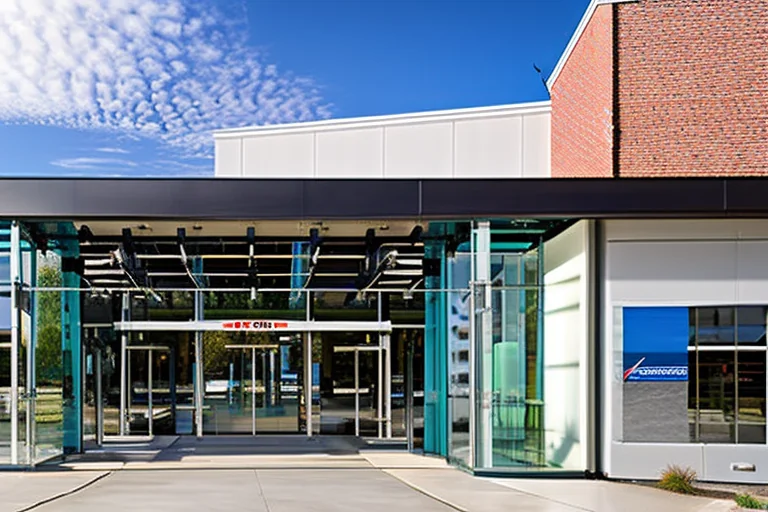
It’s tempting to select the most affordable polycarbonate sheet option, but this is the prime example of being “penny wise and pound foolish.” High-quality polycarbonate includes a co-extruded UV protective layer. This isn’t a coating that can wear off; it’s an integral part of the sheet that prevents the plastic from yellowing, becoming brittle, and losing its impact resistance over years of sun exposure. Inferior sheets without this protection may look the same initially but can degrade significantly within 5-7 years, leading to cloudiness, reduced light transmission, and potential cracking. The initial savings evaporate when you face premature replacement. Similarly, the grade of aluminum or steel for the frame matters. Marine-grade aluminum or hot-dipped galvanized steel with a robust powder coat finish resists the elements for decades. Investing in quality materials from the start is the single most important factor in maximizing your long-term savings, making it a wise choice to explore durable entrance awning options built with these principles in mind.
The Long-Term Savings Equation: Where Your Investment Pays Back
This is where the polycarbonate canopy truly shines and justifies its initial cost. The savings are multi-faceted, accruing quietly year after year. Let’s categorize them into direct financial savings, maintenance avoidance, and property value enhancement.
Energy Efficiency and Climate Control Savings
A strategically placed polycarbonate canopy acts as a passive solar shading device. In summer, it blocks high-angle sun rays from directly hitting windows and doors, significantly reducing solar heat gain inside your home or building. This can lead to a measurable decrease in air conditioning usage and energy bills. In winter, when the sun is at a lower angle, certain transparent or translucent panels can allow passive solar heating to contribute warmth. For commercial spaces, reducing the cooling load on storefronts can translate into substantial operational cost savings, especially in sun-drenched climates. This thermal benefit is an ongoing return on your investment.
Near-Zero Maintenance Costs
Compare polycarbonate to traditional materials. Wood requires annual staining or sealing to prevent rot, insect damage, and weathering. Fabric awnings need cleaning and can fray, fade, or tear, often requiring replacement every 5-10 years. A quality polycarbonate canopy, in contrast, requires minimal upkeep. Occasional washing with mild soap and water to remove dirt and pollen is typically all that’s needed. There’s no painting, no sealing, no rust treatment (with a proper aluminum frame), and no fabric replacement. This elimination of recurring maintenance tasks and costs is a huge, often overlooked, financial advantage. You save not only money but also valuable time and hassle.
Durability and Replacement Cycle Avoidance
Polycarbonate is incredibly impact-resistant—up to 250 times stronger than glass of the same thickness. It withstands hail, fallen branches, and accidental impacts that would shatter glass or tear fabric. This durability means the structure is far less likely to incur damage from severe weather events, avoiding unexpected repair bills. Furthermore, the lifespan of a well-constructed polycarbonate canopy is typically 15 to 25 years or more. When you amortize the initial cost over two decades instead of the 5-10 year lifespan of a cheaper alternative, the annual cost becomes remarkably low. You avoid the entire cost and disruption of a replacement cycle, which for other materials happens multiple times over the same period.
Making the Smart Choice: A Total Cost of Ownership Analysis
To make a truly informed decision, you must think in terms of Total Cost of Ownership (TCO). This means adding the initial investment to all projected future costs (maintenance, repairs, energy, replacement) over a 20-year period. Let’s create a simplified scenario. A premium polycarbonate and aluminum canopy might have an initial cost of $5,000. Its 20-year TCO might be $5,500 (adding only a nominal amount for occasional cleaning). A mid-grade wood pergola might cost $3,500 initially. But when you add costs for staining every 3 years, potential board replacements, and a likely full rebuild after 12-15 years, its 20-year TCO could easily surpass $7,000. The fabric awning might be $2,000 installed, but with two replacements and regular cleaning, its TCO could hit $6,000. Suddenly, the polycarbonate option, with its higher initial price, is the most economical long-term solution. This analytical approach reveals the true value.
Factors Influencing Your Specific Cost-Benefit Ratio
Your personal savings will depend on several variables. Geographic location is key. In regions with intense sun and high cooling costs, the energy savings from shading will be more pronounced. In areas with high winds or heavy snow, the investment in a robust structural support system is critical for longevity and safety. The scale and purpose of the canopy matter. A large canopy over a commercial patio that extends the usable season for a restaurant has a direct revenue-generating benefit that offsets cost. For a homeowner, the value may be in enhanced outdoor living space and property protection. Always consider the specific application to fully gauge the return.
Ultimately, viewing a polycarbonate canopy as a capital investment rather than a simple purchase reframes the entire decision. The initial cost is the entry fee for decades of protection, comfort, and savings. By prioritizing quality materials and professional installation, you secure a structure that defends your property from the elements, reduces your operational expenses, and requires almost nothing from you in return but enjoyment. It’s a testament to the principle that good design and smart engineering pay for themselves over time. Ready to invest in a solution that saves? We invite you to Browse Our Complete Polycarbonate Canopy Collection to see the range of possibilities, and Contact Our Canopy Experts Today for a personalized quote and TCO analysis for your project.