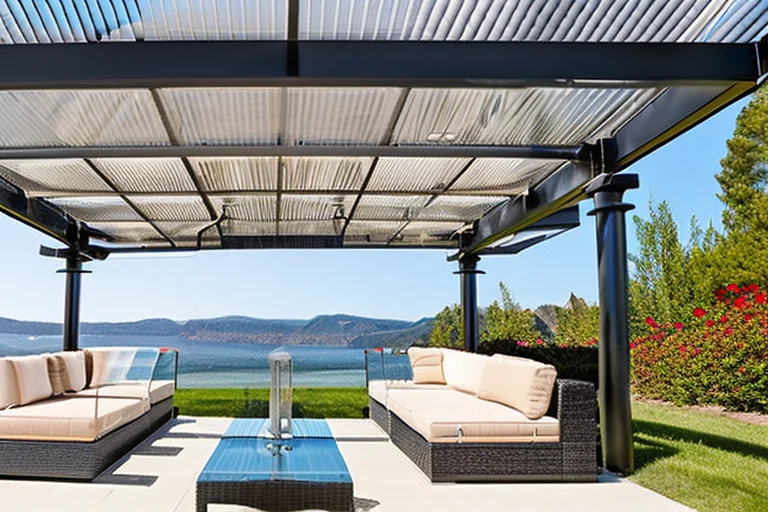
When specifying materials for outdoor structures, architects and engineers face a constant balancing act between aesthetics, performance, and long-term viability. The initial design and installation are just the beginning; the true test of a material’s worth is measured in the years of maintenance it demands. This is where polycarbonate canopies truly shine, moving beyond mere shelter to become a strategic asset for low-maintenance design. Their inherent durability and resilience translate directly into significant savings in time, labor, and cost over the lifespan of a structure. Choosing a polycarbonate canopy isn’t just about creating covered space—it’s about making a conscious decision to minimize future headaches and maximize long-term value, freeing property owners from the cycle of constant repair and refurbishment that plagues many traditional materials.
The Core Material Advantages: Built to Endure
At the heart of every low-maintenance polycarbonate canopy is the material science behind the panels themselves. Polycarbonate is a thermoplastic polymer renowned for its exceptional strength-to-weight ratio. It is inherently impact-resistant, often cited as being 250 times stronger than glass of comparable thickness. This means it can withstand hail, flying debris, and accidental impacts that would shatter glass or tear fabric. Furthermore, high-quality polycarbonate sheets are manufactured with integrated UV-protective coatings. This layer is not a superficial film but is co-extruded into the panel, preventing the material from yellowing, becoming brittle, or losing its structural integrity due to solar radiation. Unlike wood that rots, metal that corrodes, or fabric that degrades, polycarbonate maintains its performance characteristics for decades with minimal intervention. This foundational durability is the first and most critical pillar of its low-maintenance profile.
Minimal Cleaning Requirements and Self-Cleaning Potential
One of the most tangible maintenance benefits is the ease of cleaning. Polycarbonate panels have a smooth, non-porous surface that does not trap dirt, pollen, or organic growth like mold or mildew. For routine cleaning, often a simple rinse with a garden hose is sufficient to wash away accumulated dust and grime. For more stubborn dirt, a mild soap solution and a soft cloth or sponge will do the trick without risking damage. Abrasive cleaners or harsh chemicals are unnecessary and should be avoided. Interestingly, many modern polycarbonate canopy designs leverage the material’s flexibility to incorporate subtle slopes. This intentional design feature encourages rainwater to sheet off the surface, carrying away dirt and debris naturally. This “self-cleaning” effect significantly reduces the frequency of manual cleaning required, especially when compared to flat roofing materials or complex fabric structures that can pool water and collect leaves.
Resistance to Stains, Corrosion, and Biological Growth
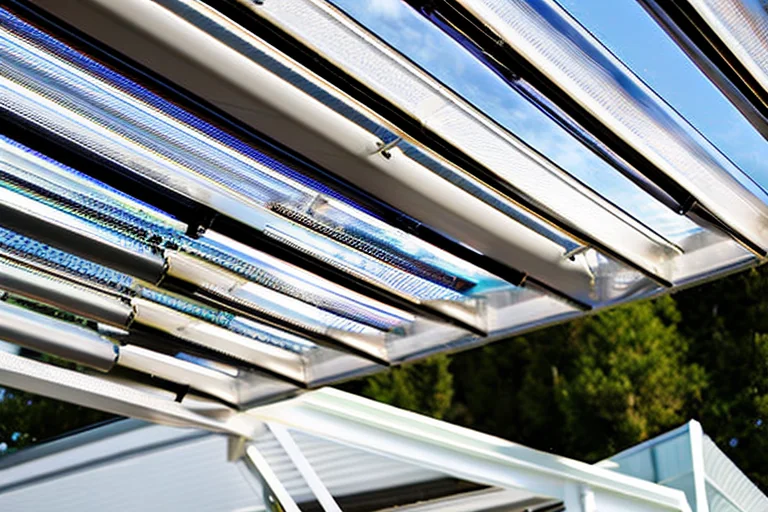
Polycarbonate is chemically inert and highly resistant to staining from atmospheric pollution, bird droppings, or tree sap. This is a stark contrast to porous materials like concrete, stone, or certain metals that can absorb stains and require specialized cleaning or sealing. The aluminum framing systems used with suspended canopy systems are typically powder-coated or anodized, providing a durable, corrosion-resistant finish that complements the polycarbonate’s longevity. Furthermore, the material does not support biological growth. You won’t face the persistent battle against moss, algae, or lichen that is common on wood shingles, clay tiles, or even some composite materials. This resistance eliminates the need for periodic power washing or chemical treatments that can be costly and environmentally taxing.
Structural Integrity and Long-Term Performance
Maintenance isn’t just about cleaning; it’s about preserving structural soundness. Polycarbonate canopies are engineered for thermal movement, meaning they are designed to expand and contract with temperature fluctuations without warping, cracking, or compromising their waterproof seals. High-quality installation using specialized profiles and fasteners accommodates this movement, preventing the stress failures common in rigidly fixed systems. The material’s flexibility also allows it to bear substantial snow loads and resist wind uplift better than many rigid alternatives. Over time, this translates to a structure that doesn’t develop leaks, squeaks, or weak points that demand repair. The modular nature of many polycarbonate systems also means that in the rare event a panel is damaged, it can be individually replaced without dismantling large sections of the canopy, a repair process that is far simpler and less invasive than with monolithic structures.
Comparing Upkeep: Polycarbonate vs. Traditional Materials
To fully appreciate the low-maintenance benefit, a direct comparison is helpful. A glass canopy, while elegant, requires careful cleaning with specific products to avoid streaks and water spots, and carries a constant risk of costly breakage. Fabric awnings and tension structures need regular cleaning to prevent mildew, can fade and weaken under UV exposure, and often require complete replacement every 5-10 years. Wooden structures demand seasonal staining, sealing, and are vulnerable to insect damage and rot. Metal canopies, unless made from high-grade stainless steel, are prone to rust and corrosion, requiring repainting and treatment. In each case, polycarbonate presents a more resilient and forgiving alternative. Its long service life, measured in decades rather than years, and its minimal upkeep schedule make it the most cost-effective solution when total cost of ownership is considered.
Design Integration for Easy Maintenance
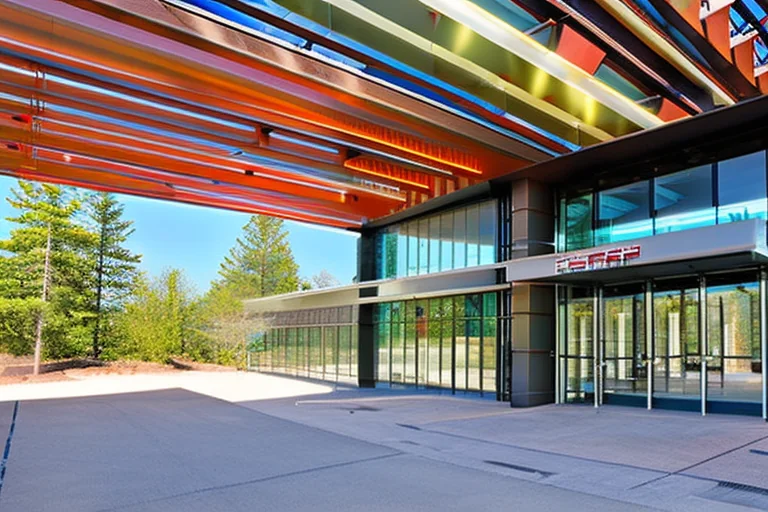
Smart architectural design amplifies the inherent low-maintenance traits of polycarbonate. Specifying multi-wall or structured sheet polycarbonate not only improves thermal insulation but also often conceals minor surface scratches within its internal channels, maintaining a clean appearance. Integrating gutters and downspouts into the framing system manages rainwater runoff efficiently, preventing erosion or water pooling around the foundation. For those seeking aesthetic variety without sacrificing practicality, modern manufacturing offers a range of opaque, tinted, and textured finishes that can reduce the visual perception of dust accumulation while adding design flair. The goal is to create a canopy system where maintenance is not an afterthought but is designed out of the equation from the very beginning, resulting in a structure that remains beautiful and functional with passive, infrequent care.
Economic and Environmental Impact of Low Maintenance
The benefits extend beyond convenience to tangible economic and environmental advantages. Reduced maintenance means lower recurring costs for cleaning supplies, professional services, and repair parts. It also minimizes operational downtime for commercial spaces—a restaurant patio or store entrance doesn’t need to be closed for lengthy repairs. Environmentally, the long lifespan of polycarbonate canopies reduces material waste from frequent replacements. The minimal need for chemical cleaners and the reduction in water usage for cleaning contribute to a more sustainable property management profile. By investing in a durable, low-maintenance solution, you are investing in a resource-efficient future, conserving both financial and natural resources over the long term.
In conclusion, the choice of a polycarbonate canopy is a definitive step toward simplifying facility management and protecting your architectural investment. Its unparalleled combination of strength, weatherability, and cleanability redefines what it means to own an outdoor structure. You gain not just shade and shelter, but also peace of mind and long-term value. Ready to explore how a low-maintenance canopy can transform your project? We invite you to Browse Our Complete Polycarbonate Canopy Collection to see the possibilities and Contact Our Canopy Experts Today for a personalized consultation on the ideal solution for your needs.