
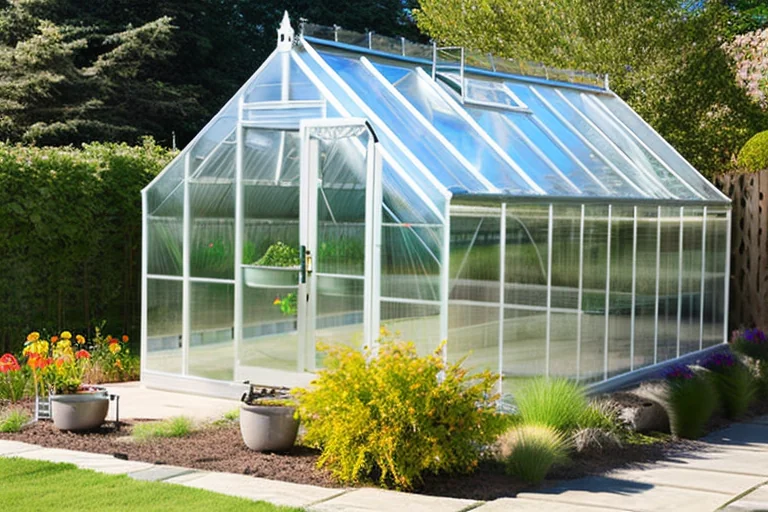
When you picture a thriving greenhouse, you likely imagine lush greenery and vibrant blooms. But the invisible hero behind that success isn’t just sunlight or water—it’s the air. In polycarbonate greenhouse installations, ventilation planning isn’t an afterthought; it’s the cornerstone of the entire environmental control system. Polycarbonate panels are prized for their durability, light diffusion, and insulation properties, but these very benefits can create a challenging microclimate if airflow is neglected. Without a meticulously planned ventilation strategy, heat builds up rapidly, humidity stagnates, and carbon dioxide depletes, turning your growing space into a stressful environment for plants. As an architect or engineer specializing in these structures, I’ve seen that the difference between a good harvest and a failed one often comes down to cubic feet per minute of air exchange. This guide will walk you through the essential principles of designing an effective ventilation system that works in harmony with the unique characteristics of polycarbonate structures.
The Critical Role of Ventilation in a Polycarbonate Environment
Polycarbonate greenhouses create a unique microclimate. The multi-wall panels provide excellent thermal insulation, which is fantastic for retaining heat during cooler nights. However, this same property means that solar radiation passing through the panels gets trapped as heat energy, causing temperatures to soar on sunny days far beyond the ambient outside temperature. This is known as the greenhouse effect, and without intervention, it can easily cook your plants. Beyond temperature, transpiration from plants releases significant moisture into the air. In a sealed space, relative humidity can reach 100%, creating the perfect breeding ground for fungal diseases like powdery mildew and botrytis. Furthermore, plants consume carbon dioxide during photosynthesis. In a stagnant greenhouse, CO2 levels can drop critically low by midday, halting growth. Effective ventilation addresses all three issues simultaneously: it exhausts hot air, removes excess humidity, and replenishes the CO2 supply. It’s a continuous cycle of renewal that mimics the gentle breezes of a perfect outdoor growing environment.
Understanding Ventilation Systems: Passive vs. Active
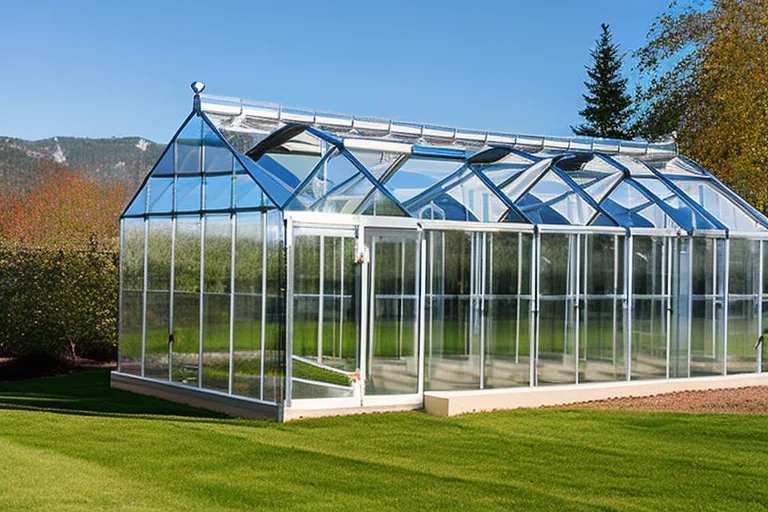
Ventilation strategies fall into two main categories: passive and active. A well-designed greenhouse often uses a combination of both for efficiency and redundancy. Passive ventilation relies on natural forces—primarily thermal buoyancy (hot air rises) and wind. The classic example is the ridge and side vent combination. As the sun heats the air inside, it expands and rises, escaping through open vents along the peak (ridge). This creates a vacuum that draws cooler, fresher air in through lower side or gable-end vents. The effectiveness of passive systems depends heavily on design specifics like vent size, placement, and the prevailing wind direction. For larger or commercial operations, or in climates with little natural breeze, active ventilation becomes necessary. Active systems use powered equipment, typically exhaust fans, to force air movement. Fans are installed at one end of the greenhouse, pulling air out, while intake shutters or vents open on the opposite end to allow fresh air entry. This provides precise control over the air exchange rate, measured in cubic feet per minute (CFM), regardless of outdoor conditions.
Key Components for Effective Airflow Design
Designing your ventilation system requires integrating several key components. First, calculate your required air exchange rate. A common benchmark for greenhouses is a complete air change every one to two minutes. This is your target CFM. For passive systems, the total vent area should be at least 15-25% of the floor area. Ridge vents should be continuous and paired with equally sized side or gable vents. The orientation of these vents relative to the summer prevailing winds is crucial for maximizing the windward pressure effect. When incorporating active systems, fan capacity must match your CFM target, accounting for static pressure from insect screens or louvered shutters. Intake areas should be 1.2 to 1.5 times the fan discharge area to minimize resistance. Remember, the structural framing for your suspended canopy systems must be engineered to support the weight and wind load of large vent openings and any motorized equipment. The polycarbonate panel layout must also be planned around these openings, ensuring proper sealing and waterproofing at the edges.
Integrating Ventilation with Polycarbonate-Specific Design
Polycarbonate material properties directly influence ventilation planning. Unlike glass, polycarbonate panels have a higher thermal expansion coefficient. This means frames and vent openings must allow for panel movement without causing stress cracks or breaking seals. When designing a vent sash (the moving part of the vent), ensure the polycarbonate is securely clamped in a frame that can move as a single unit. The orientation of the multi-wall channels is another critical factor. These channels should always run vertically in sloped or vertical applications to allow condensed moisture to drain out. In a vented section, this principle is non-negotiable to prevent water from pooling inside the panel, which reduces light transmission and can lead to algae growth. Furthermore, the excellent light diffusion of polycarbonate is a benefit, but it also means heat is distributed more evenly. Your ventilation system must therefore be designed to manage a uniformly heated space, not just hot spots directly under the sun.
Automation and Control for Optimal Climate
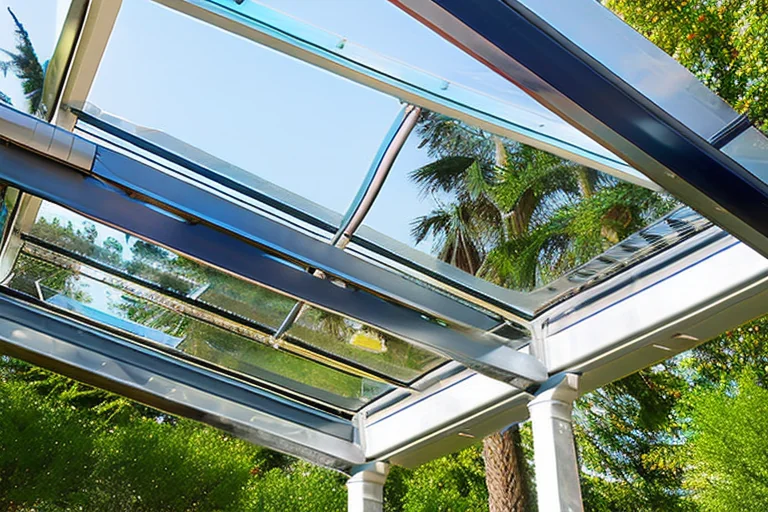
Modern greenhouse ventilation is rarely manual. Automation is key to maintaining a stable environment 24/7. Thermostats are the basic control, activating fans or opening motorized vents when a set temperature is reached. For more sophisticated control, integrate humidity sensors and CO2 monitors. A environmental controller can be programmed with complex logic, such as opening vents slightly on a cool but humid morning to reduce moisture without dropping the temperature too drastically. Motorized vent openers, often powered by thermal pistons or electric actuators, are perfect for passive vent automation. They are reliable and don’t require electricity. For active systems, variable-speed fans paired with staged intake shutters provide gradual ventilation, preventing sudden temperature drops that can shock plants. This level of control turns your ventilation system from a simple cooling tool into a precise instrument for climate management, ensuring your plants experience minimal stress. Proper planning for these elements, including roof pitch and drainage considerations, is essential from the initial design phase to ensure all components work in harmony.
Installation and Maintenance Best Practices
Even the best-designed system can fail if installed incorrectly. During installation, pay meticulous attention to sealing around fixed panels and moving vents. Use proper greenhouse-grade sealants and gaskets designed for polycarbonate to prevent leaks and thermal bridges. Ensure all moving parts—hinges, actuators, fan shutters—are aligned and operate smoothly without binding. After installation, a smoke test or using a simple anemometer can help visualize and measure airflow patterns, allowing you to identify and correct dead spots. Maintenance is an ongoing requirement. Regularly clean fan blades, louvers, and insect screens, as a layer of dust can reduce efficiency by 20% or more. Lubricate moving parts annually and check the tension on drive belts for fans. Inspect the polycarbonate around vent openings for stress or wear, and clear any debris like leaves from vents and drainage channels. A proactive maintenance schedule ensures your ventilation system performs at peak efficiency for the lifetime of your structure.
Conclusion: Breathing Life Into Your Design
Ventilation planning transforms a static polycarbonate structure into a dynamic, life-supporting environment. It’s the system that allows you to harness the benefits of polycarbonate—its strength, light, and insulation—without falling victim to its potential drawbacks. By understanding the science of air exchange, carefully selecting and sizing passive and active components, and integrating them thoughtfully with the material’s properties, you create a foundation for plant health and productivity. Remember, your ventilation design is as important as the structure itself. It requires forethought, precise calculation, and quality components. Don’t let it be an overlooked line item; invest in a robust system that gives your plants the consistent, fresh air they need to thrive.
Ready to design a polycarbonate greenhouse that truly breathes? Browse Our Complete Polycarbonate Canopy Collection to explore structural options that integrate seamlessly with advanced ventilation. For a custom solution tailored to your specific climate and crop needs, Contact Our Canopy Experts Today to discuss your project and Schedule Your Free Design Consultation. Let’s build an environment where your plants can flourish.