
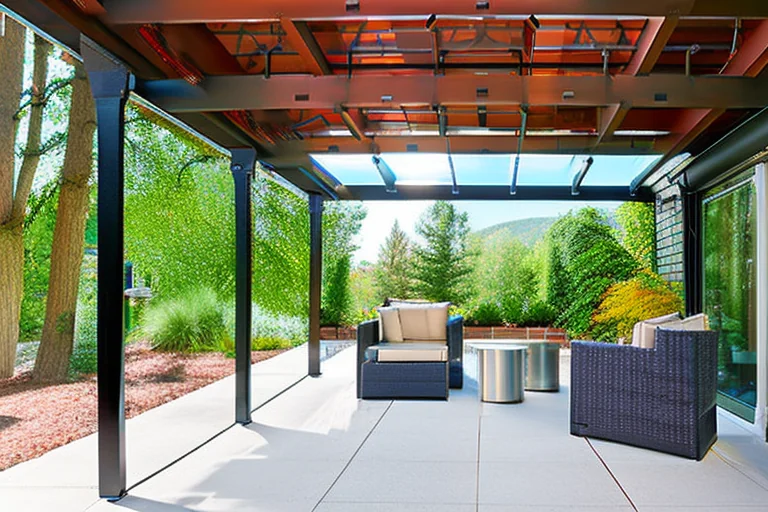
Imagine an outdoor space that doesn’t just sit there, but actively works with the elements. It provides shade when the sun is intense, sheds rain efficiently, flexes safely in the wind, and remains clear and strong season after season. This isn’t a fantasy of future architecture; it’s the reality of modern, weather-responsive polycarbonate canopy design. Moving beyond simple rain covers, today’s advanced canopies are engineered systems that anticipate and manage environmental stresses. As a designer, the goal is to create a structure that feels like a seamless extension of the indoor environment, offering reliable comfort and protection. This requires a deep understanding of how specific design features—from the molecular structure of the polycarbonate sheets to the geometry of the frame—interact with sun, wind, water, and temperature. Let’s explore the key features that transform a basic canopy into a smart, resilient, and truly weather-responsive asset for any home or business.
The Foundation: Polycarbonate as a Weather-Responsive Material
The journey to a weather-responsive design begins with the core material itself. Polycarbonate is not a generic plastic; it’s a high-performance thermoplastic polymer engineered for resilience. Its innate weather responsiveness starts with exceptional impact resistance—up to 250 times stronger than glass—which allows it to withstand hail, falling branches, and other debris without cracking or shattering. This durability is paired with built-in UV protection. High-quality polycarbonate sheets are co-extruded with a UV-resistant layer on the exposed surface. This layer acts as a permanent sunscreen, filtering out harmful ultraviolet rays that cause fading and material degradation. This ensures the canopy itself won’t become brittle and yellow over time, while also protecting the people and furnishings underneath from sun damage. The material’s thermal properties are also key. Polycarbonate has a lower thermal conductivity than glass, providing better insulation. Multi-wall polycarbonate sheets, with their internal air chambers, create a barrier that reduces heat transfer, keeping spaces cooler in summer and reducing condensation in cooler weather. This combination of strength, UV stability, and thermal performance forms the essential material basis for any canopy designed to respond intelligently to the weather.
Structural Adaptations for Wind and Snow Loads
A canopy’s form must follow force, not just function. The most critical weather responses are structural, designed to handle the invisible pressures of wind and the heavy burden of snow. Wind load is a dynamic, often uplift force. Responsive design counters this with aerodynamic profiles, such as curved or sloped roofs that allow wind to flow over rather than catch against the structure. The frame engineering is paramount. Aluminum extrusions, often used for their strength-to-weight ratio and corrosion resistance, are sized and configured based on precise span calculations and local building code requirements for wind speed. Strategic bracing, whether through knee braces, truss systems, or reinforced connection points, creates a rigid triangulated structure that resists twisting and racking. For areas with heavy snowfall, the design must account for snow load, which is a downward, static force. This involves increasing the slope or pitch of the canopy to encourage snow to slide off before accumulating to dangerous weights. In some designs, retractable mechanisms offer the ultimate response, allowing the roof to be withdrawn so snow never collects on it at all. The connection to the building or ground is the final, crucial link. A weather-responsive canopy employs robust, engineered anchoring systems that transfer these loads safely into the supporting structure, ensuring the entire assembly moves as one resilient unit against the storm.
Integrated Water Management Systems
Water is a constant architectural challenge, and a smart canopy design doesn’t just deflect it—it manages it. Effective water management is a silent but critical weather-responsive feature. It begins with the panel installation. Polycarbonate sheets must be installed with the channels running vertically, turning each panel into a miniature gutter that directs water downward. The joining profiles between sheets are designed with integrated drip edges and seals to prevent capillary action and side-drive rain from seeping through the seams. At the macro level, the entire canopy structure is sloped, typically a minimum of 5 degrees, to ensure positive drainage toward designated runoff points. This is where integrated gutter systems come into play. Concealed gutters and downspouts, often built into the structural beams or fascias, capture runoff cleanly and channel it away from the covered area and the building’s foundation. This prevents water from cascading off the edges in a curtain, creating a dry, usable perimeter even during heavy rain. For larger canopies, internal drainage scuppers may be used. By thoughtfully designing the path of every raindrop, a canopy transforms a rainy day from an inconvenience into a demonstration of its clever, dry performance.
Thermal and Ventilation Strategies
Responding to weather isn’t just about defense; it’s about maintaining comfort. A canopy that becomes a stifling heat trap in summer has failed half its mission. Responsive thermal design starts with material choice. As mentioned, multi-wall polycarbonate provides inherent insulation. The next layer is color and transparency. Tinted or opal sheets can significantly reduce solar heat gain compared to clear ones, filtering the light that enters. However, the most active response comes from ventilation. Strategic ventilation prevents hot air from becoming trapped under the canopy. This can be achieved through open sides, vented ridges at the peak of the structure, or even powered exhaust fans for larger commercial installations. The goal is to create a stack effect, where warmer air rises and escapes, drawing in cooler air from the sides. In some advanced designs, this principle is integrated with the structure’s form. For pergola-style canopies with louvered polycarbonate roofs, the angle of the louvers can be adjusted to control both shade and airflow, allowing for precise microclimate management throughout the day. This holistic approach to temperature and air movement ensures the covered space remains a refuge of comfort, not a collector of stagnant heat.
Dynamic and Smart Response Features
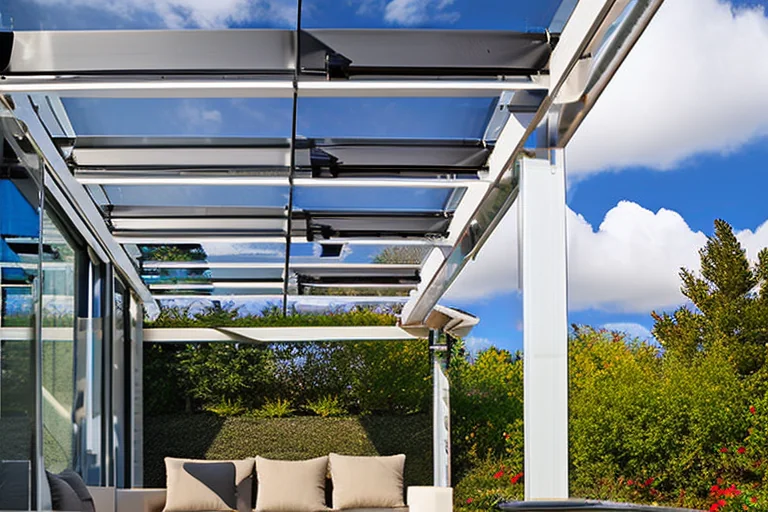
The cutting edge of weather-responsive design moves from passive adaptation to active, dynamic response. The most recognizable feature here is motorized retractability. Systems with automated louvered roofs or fully retractable panels allow a space to be open-air in pleasant conditions and fully sealed in minutes when rain or intense sun appears. This is the ultimate user-controlled weather response. Taking this a step further is the integration of smart technology. Canopies can now be equipped with weather sensors—anemometers for wind, rain sensors, and light meters—connected to a control unit. This system can be programmed to automatically retract the canopy when wind speeds exceed a safe threshold or close it at the first sign of rain, even if the homeowner is away. Similarly, sun-tracking systems can automatically adjust louvers throughout the day to maintain optimal shade. These smart features represent a shift from a static structure to an interactive environmental interface, providing peace of mind and maximizing the usability of outdoor living areas with minimal manual intervention.
Design Considerations for Specific Climates
A truly responsive design is not one-size-fits-all; it is tailored to its environmental context. In hot, arid climates with intense UV exposure, the primary focus is on solar management. This calls for canopies with high UV-blocking rates, reflective or light-colored surfaces to reject heat, and designs that maximize shade coverage throughout the day, potentially with adjustable features to track the sun. In tropical or rainy climates, the emphasis shifts to handling torrential downpours and high humidity. Here, steeper pitches for rapid drainage, oversized gutter systems, and robust ventilation to combat mold and mildew become non-negotiable features. For cold, snowy regions, the structural load calculations are most severe. Designs require steeper pitches to shed snow, heavier-duty framing, and careful consideration of thermal expansion and contraction of materials. Coastal environments introduce the corrosive challenge of salt air, necessitating marine-grade aluminum alloys and stainless steel fasteners throughout. By diagnosing the dominant weather patterns of a site, a designer can prioritize which responsive features are most critical, ensuring the canopy is optimized for its long-term battle with the local elements.
Professional Installation: The Final Step in Weather-Proofing
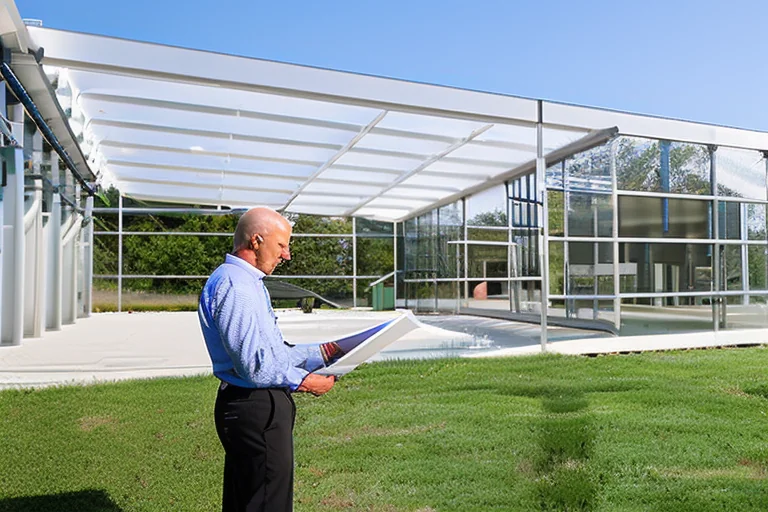
The most brilliantly designed, feature-rich canopy will fail if installed incorrectly. Professional installation is the act that locks in all the weather-responsive potential of the design. It ensures the structural frame is perfectly level, square, and securely anchored with the correct hardware for the substrate (brick, wood, concrete). It guarantees that polycarbonate panels are installed with the proper orientation, with adequate thermal expansion gaps accounted for, and sealed with the manufacturer-recommended profiles and silicone. A professional installer understands how to flash the canopy correctly against an existing wall to create a watertight seal, preventing leaks at the most vulnerable point. They will also ensure all drainage systems are properly aligned and secured. This expertise transforms a collection of high-performance parts into a cohesive, reliable system. Attempting a DIY installation to save cost often compromises these critical details, leading to leaks, rattling in the wind, premature wear, or even structural failure. Investing in professional installation is the final, essential feature that activates the full spectrum of weather-responsive benefits designed into the canopy.
Ready to create an outdoor space that intelligently adapts to every season? The right design makes all the difference. Browse Our Complete Polycarbonate Canopy Collection to explore styles engineered for performance. For personalized advice tailored to your local climate and architectural needs, Contact Our Canopy Experts Today to start a conversation and Schedule Your Free Design Consultation. Let’s build a solution that stands up to the weather, beautifully.