In the evolving landscape of public art and outdoor exhibitions, the challenge of preserving artistic integrity while exposing works to natural elements has long troubled curators and artists alike. Traditional protective measures often compromise visibility or create physical barriers that distance viewers from the artistic experience. Polycarbonate canopies have emerged as a revolutionary solution, offering museum-grade protection while maintaining the intimate connection between artwork and audience. These advanced transparent structures create controlled microenvironments that shield valuable installations from rain, hail, UV radiation, and environmental pollutants without the visual obstruction of conventional enclosures. As art institutions increasingly embrace outdoor exhibition spaces and site-specific installations, the demand for sophisticated protection systems has never been greater. The versatility of modern polycarbonate materials allows for custom engineering that complements artistic vision while providing uncompromising preservation—transforming how we experience art in public spaces.
The Critical Need for Specialized Art Protection
Outdoor art installations represent significant cultural and financial investments that require specialized protection strategies. Unlike indoor gallery pieces, exterior artworks face constant assault from environmental factors including acid rain, bird droppings, temperature fluctuations, and ultraviolet radiation that accelerate deterioration. Bronze sculptures develop patina at unpredictable rates, painted surfaces fade prematurely, and delicate materials warp or crack when exposed to moisture and thermal stress. Vandalism and accidental impact present additional threats in public spaces where artworks lack the controlled security of museum environments. Traditional solutions like glass enclosures often create reflective surfaces that distort viewing angles and introduce safety concerns in high-traffic areas. The development of advanced polycarbonate materials has addressed these challenges through engineered polymer systems that provide optical clarity comparable to glass with far superior impact resistance and weatherability. These innovative protection systems have become essential tools for cultural institutions managing valuable outdoor collections.
Engineering Advantages for Art Preservation
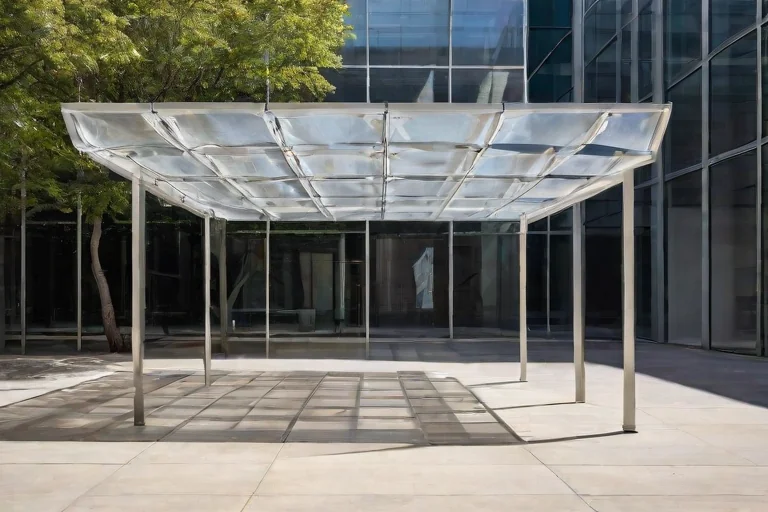
Polycarbonate canopies offer distinct engineering advantages that make them ideal for art protection applications. The material’s inherent impact resistance—up to 250 times stronger than glass—provides crucial protection against hail, falling branches, and accidental contact without the brittleness that makes traditional glazing vulnerable. Multi-wall polycarbonate panels create insulating air chambers that moderate temperature extremes, reducing the thermal stress that causes expansion and contraction in sensitive art materials. Advanced UV-resistant coatings can be integrated directly into the polymer matrix, filtering out 99.9% of harmful ultraviolet radiation while maintaining excellent light transmission for optimal viewing conditions. Unlike acrylic alternatives, polycarbonate maintains its structural integrity across a wide temperature range from -40°F to 240°F, ensuring reliable performance in diverse climate conditions. The material’s lightweight nature facilitates creative architectural solutions like the Suspended Polycarbonate Canopy, which can be engineered to span significant distances without heavy supporting frameworks that might compete with artistic presentation.
Real-World Applications and Case Studies
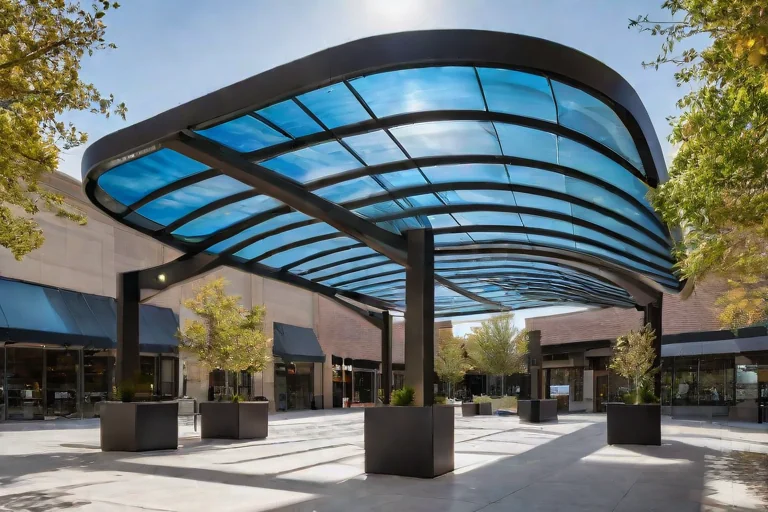
Cultural institutions worldwide are implementing polycarbonate canopy systems with remarkable results. The Minneapolis Sculpture Garden utilized custom-fabricated polycarbonate enclosures to protect several bronze pieces from harsh winter conditions while maintaining year-round public access. The transparent covers eliminated snow load concerns and prevented ice damage while allowing natural illumination that enhances the viewing experience. At the Storm King Art Center in New York, large-scale contemporary installations benefit from precisely engineered canopies that create protected outdoor galleries without visual interruption. The center’s implementation includes specialized Polycarbonate Canopy Styles & Structures tailored to different sculptural forms and site conditions. Urban art programs in cities like Chicago and Seattle have adopted modular polycarbonate protection systems for rotating public art collections, demonstrating the flexibility of these solutions for temporary exhibitions and permanent installations alike.
Custom Solutions for Specific Art Forms
Different art media require tailored protection approaches that address their unique vulnerabilities. For delicate glass sculptures and installations, polycarbonate canopies provide essential impact protection while maintaining the optical clarity necessary to appreciate transparent and translucent qualities. The non-yellowing properties of premium polycarbonate grades ensure that color perception remains accurate over decades of outdoor exposure. Textile artworks and pieces with organic materials benefit from the humidity-regulating properties of ventilated polycarbonate systems that prevent mold growth and material degradation. For large-scale installations requiring complex geometric coverage, the Inside Corner Canopy configuration enables seamless integration with architectural elements while providing comprehensive weather protection. Interactive and kinetic artworks present particular challenges, as protection systems must accommodate movement and public engagement—challenges elegantly addressed through custom-engineered polycarbonate solutions with integrated access points and durable mounting systems.
Installation Considerations and Structural Integration
Successful art protection requires careful consideration of installation methodology and structural integration. Unlike standard commercial applications, art protection canopies often demand non-invasive mounting systems that preserve the integrity of historic buildings or delicate landscapes. Powder-coated aluminum frameworks provide durable support while offering aesthetic customization options that complement both artwork and surroundings. For installations in high-wind regions, specialized High-Wind Anchoring Systems for Polycarbonate Canopies ensure stability without compromising the minimalist visual profile essential for art presentation. Electrical integration for lighting systems can be seamlessly incorporated into canopy designs, enabling dramatic nighttime illumination that extends viewing hours and enhances security. The modular nature of polycarbonate systems facilitates future expansion or reconfiguration as art collections evolve, providing institutions with adaptable long-term solutions. Proper planning accounts for maintenance access, cleaning procedures, and potential artwork rotation schedules—all factors that influence canopy design and implementation strategy.
Beyond Traditional Art: Expanding Applications
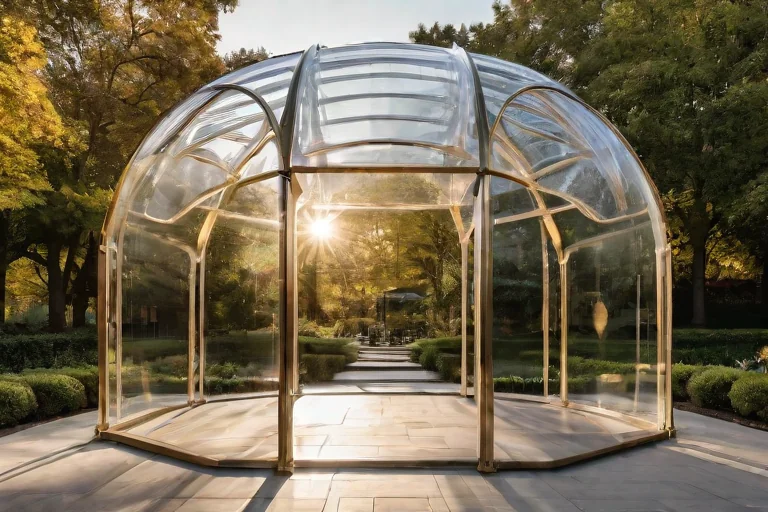
The principles of polycarbonate art protection extend beyond conventional sculpture and installations to encompass diverse cultural artifacts and architectural elements. Historic monuments and archaeological sites benefit from protective canopies that shield delicate stonework from precipitation and pollution while maintaining public access. Botanical gardens utilize similar systems to protect valuable topiary and living sculptures from extreme weather events. The same engineering principles apply to innovative applications like the Polycarbonate Stargazing Dome, demonstrating the material’s versatility across different protective scenarios. Even functional art pieces like custom fountains and architectural features can be preserved through tailored polycarbonate solutions that address their specific exposure risks. As cultural institutions increasingly blur the lines between art, architecture, and landscape design, polycarbonate protection systems provide the flexibility to safeguard diverse creative expressions without compromising their visual impact or accessibility.
Long-Term Value and Preservation Economics
Investing in polycarbonate art protection delivers significant long-term value through reduced maintenance costs and extended artwork lifespan. The initial investment in quality canopy systems is quickly offset by savings in conservation treatments, cleaning frequency, and potential restoration expenses. Unlike temporary protective measures that require regular replacement, premium polycarbonate installations maintain their protective properties and optical clarity for decades with minimal maintenance. The durability of these systems ensures continuous protection through seasonal extremes, eliminating the labor-intensive process of installing and removing temporary covers. Institutions can achieve additional value through multi-functional designs that incorporate lighting, security systems, and environmental monitoring within the canopy structure. For comprehensive protection solutions beyond art applications, our Polycarbonate Carport Garage Cover demonstrates the same engineering principles applied to vehicle and storage protection. The economic argument for professional art protection strengthens when considering the irreplaceable cultural value of significant works and their role in community identity and tourism development.
Implementing Your Art Protection Project
Successful art protection begins with thorough assessment and professional planning. The process typically involves evaluation of specific artwork vulnerabilities, site conditions, viewing requirements, and budget parameters. Collaboration between conservators, artists, architects, and canopy specialists ensures that protection solutions enhance rather than compromise artistic integrity. Modern polycarbonate fabrication technologies enable custom curves, tints, and structural configurations that address the unique challenges of each installation. From initial concept through final installation, professional guidance ensures optimal results that balance preservation needs with aesthetic considerations. For institutions managing multiple protection projects, phased implementation strategies can distribute costs while addressing the most vulnerable artworks first. The return on investment manifests not only in reduced conservation expenses but also in extended public access, enhanced visitor experience, and preserved cultural assets for future generations.
Ready to protect your valuable art investments with professional-grade solutions? View Our Canopy Solutions to explore custom options designed specifically for art preservation. For personalized guidance on your specific project requirements, Schedule Consultation with our protection specialists. Don’t leave your cultural assets vulnerable to environmental damage—Get Your Project Started today and ensure your artworks remain protected for decades to come.