
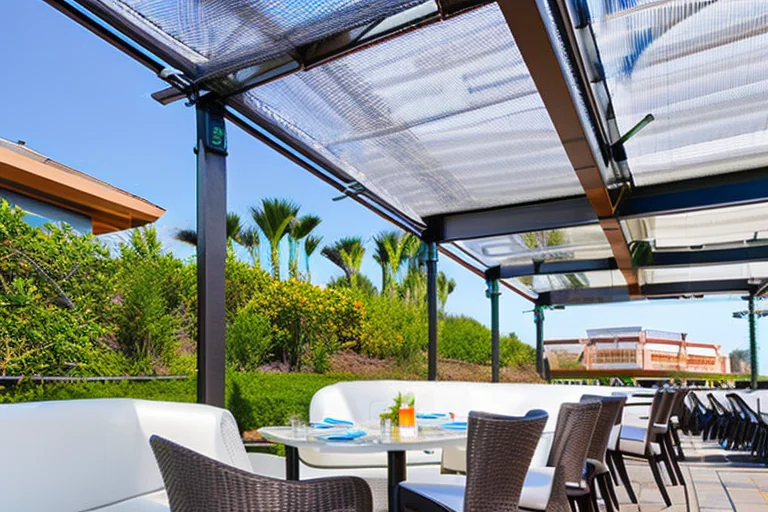
Imagine transforming your restaurant or café’s outdoor space into a year-round dining destination that customers love regardless of the weather. The secret lies in choosing the right canopy solution, and polycarbonate has emerged as the go-to material for hospitality professionals who want to combine durability with aesthetic appeal. Unlike traditional materials that yellow, crack, or become brittle over time, polycarbonate canopies maintain their clarity and structural integrity while providing superior protection from sun, rain, and even light snow. The versatility of these systems means you can create anything from a simple covered patio to an elaborate outdoor dining room that seamlessly integrates with your establishment’s existing architecture and design theme.
Why Polycarbonate Stands Out for Outdoor Dining
When it comes to creating comfortable outdoor dining spaces, polycarbonate offers distinct advantages that other materials simply can’t match. First and foremost, its impact resistance is approximately 250 times greater than glass, meaning it can withstand hail, falling branches, and other potential hazards without cracking or breaking. This durability translates to lower maintenance costs and fewer replacements over time. Additionally, polycarbonate panels provide excellent UV protection, blocking up to 99.9% of harmful ultraviolet rays while still allowing natural light to filter through. This creates a bright, inviting atmosphere without the risk of sunburn or discomfort for your patrons. The material’s thermal insulation properties also help regulate temperature, keeping dining areas cooler in summer and warmer in cooler months compared to glass or metal alternatives.
Design Flexibility and Aesthetic Options
The beauty of polycarbonate canopies lies in their design versatility. Available in clear, tinted, or opaque options, these panels can be curved, bent, or formed to create virtually any shape your design vision requires. Many restaurant owners opt for clear panels to maintain an open, airy feel that preserves views and natural lighting, while others choose bronze or opal finishes to reduce glare and create more intimate dining atmospheres. The framing systems can be powder-coated in any color to match your establishment’s branding, from sleek black modern finishes to traditional bronze or white that complements historic architecture. This customization capability means your canopy becomes an integral part of your overall design rather than just a functional addition.
Maximizing Space with Strategic Canopy Placement
Effective use of outdoor space requires careful planning, especially for restaurants and cafés operating in urban environments where every square foot counts. Corner placements often present unique opportunities for expanding seating without obstructing pedestrian traffic or compromising accessibility. For these challenging spaces, an inside corner polycarbonate canopy provides the perfect solution, wrapping around building edges to create protected dining nooks that might otherwise go unused. These specialized systems can transform awkward angles into coveted dining spots while maintaining visual continuity with your main dining area. The key is working with experienced designers who understand how to leverage these configurations to maximize both seating capacity and customer comfort.
Installation Considerations for Hospitality Settings
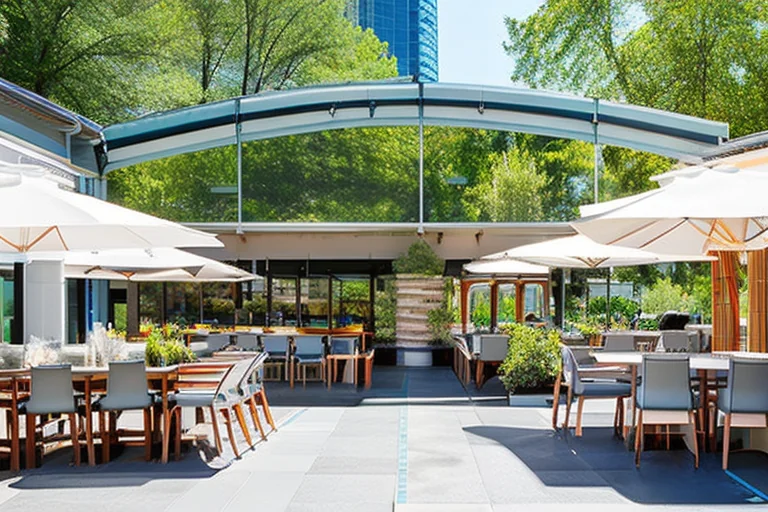
Installing polycarbonate canopies in restaurant environments requires special consideration to minimize disruption to your operations. Professional installers typically work during off-hours or schedule phased installations that allow you to maintain service throughout the process. The lightweight nature of polycarbonate means that structural modifications are often minimal, especially when attaching to existing buildings. However, proper waterproofing and drainage planning is crucial to prevent leaks and ensure customer comfort during rainy conditions. Many modern systems incorporate hidden gutters and downspouts that maintain clean lines while effectively managing water runoff. Ventilation is another important factor, particularly for fully enclosed spaces, to prevent heat buildup and maintain air quality.
Seasonal Adaptability and Year-Round Use
One of the greatest advantages of polycarbonate canopies is their ability to extend your outdoor dining season significantly. In colder climates, these structures can be equipped with infrared heaters, side panels, or even temporary enclosures to create comfortable environments well into fall and early spring. During summer months, the natural UV protection helps keep temperatures manageable without completely blocking sunlight. Many restaurant owners find that their investment pays for itself within a single season through increased seating capacity and reduced weather-related cancellations. The key to successful year-round use lies in selecting the right accessories and planning for flexibility in your design from the beginning.
Maintenance and Long-Term Durability
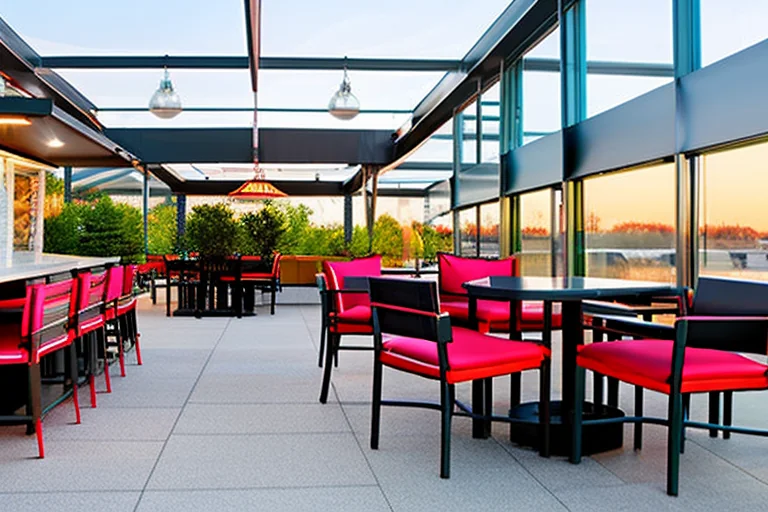
Polycarbonate canopies require remarkably little maintenance compared to other outdoor covering materials. The non-porous surface resists staining and doesn’t require sealing or painting. Routine cleaning typically involves nothing more than occasional washing with mild soap and water to maintain clarity and appearance. Unlike fabric awnings that fade and deteriorate in sunlight, polycarbonate maintains its structural integrity and appearance for decades with proper care. The material’s resistance to corrosion, chemicals, and environmental stressors makes it particularly suitable for restaurant environments where cleaning products and food-related spills are common. This low maintenance requirement translates to more time focused on your customers and less on upkeep.
Cost Considerations and Return on Investment
While the initial investment in a quality polycarbonate canopy system may be higher than some alternatives, the long-term financial benefits for restaurant and café owners are substantial. The extended dining season alone can increase revenue by 20-40% in many climates, while the enhanced customer experience leads to higher check averages and repeat business. Energy savings from reduced heating and cooling requirements for adjacent indoor spaces can also contribute to operational cost reductions. Many establishments find that their canopy investment pays for itself within 12-24 months through these combined benefits. Financing options and potential tax advantages for business improvements make these projects accessible even for smaller operations with limited capital budgets.
Creating Memorable Dining Experiences
Beyond the practical benefits, polycarbonate canopies help create memorable dining experiences that keep customers coming back. The play of light through the panels changes throughout the day, creating dynamic atmospheres that enhance the culinary experience. During evening hours, integrated lighting can transform the space into a magical environment that feels both intimate and connected to the outdoors. The sound of rain on the canopy becomes a feature rather than a problem, creating cozy atmospheres that customers actively seek out. This emotional connection to your outdoor space becomes part of your establishment’s identity and competitive advantage in a crowded hospitality market.
Ready to transform your outdoor dining space with professional polycarbonate canopy solutions? Our team specializes in creating custom designs that perfectly match your restaurant’s style and functional requirements. Contact Our Canopy Design Experts today for a complimentary consultation and discover how we can help you create outdoor dining experiences your customers will love in any season.