
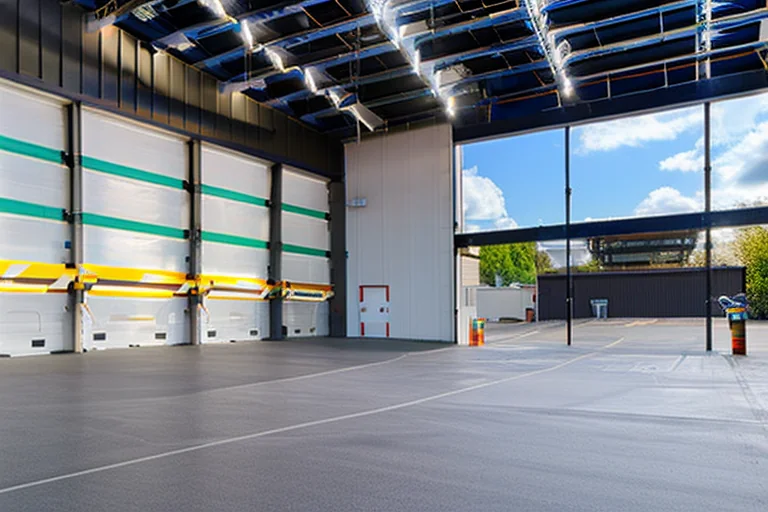
In the relentless environment of industrial operations, where productivity, safety, and asset protection are paramount, the choice of overhead shelter is far from a simple architectural decision. It’s an engineering challenge. Standard materials often buckle under the strain of chemical exposure, heavy impacts, thermal shifts, and constant UV bombardment. This is where heavy-duty polycarbonate canopy solutions step into the spotlight, not as a mere covering, but as a performance-engineered shield. These structures are specifically designed to meet the rigorous demands of factories, warehouses, logistics hubs, and processing plants, offering a blend of resilience, clarity, and longevity that traditional materials like fiberglass or corrugated metal simply cannot match. For facility managers and engineers, understanding the capabilities of these advanced canopy systems is key to optimizing outdoor workflows and safeguarding valuable investments.
Why Polycarbonate Reigns Supreme in Industrial Settings
The shift toward polycarbonate for industrial canopies is driven by a compelling set of material properties that directly address the pain points of harsh environments. First and foremost is its legendary impact resistance. Polycarbonate sheets are virtually unbreakable, boasting up to 250 times the impact strength of standard glass and 30 times that of acrylic. This makes them ideal for areas where falling debris, accidental tool drops, or hail storms are a concern. Unlike metal, they won’t dent or corrode, and unlike fiberglass, they won’t become brittle and yellow rapidly. Furthermore, high-quality industrial-grade polycarbonate is coated with a UV-inhibitor layer that protects both the sheet and whatever is beneath it from the degrading effects of sunlight, ensuring decades of service without significant loss of light transmission or structural integrity. Its excellent thermal performance also helps regulate temperatures underneath, reducing heat islands in summer and offering some insulation in winter.
Key Industrial Applications for Heavy-Duty Canopies
The versatility of polycarbonate allows it to solve a wide array of industrial challenges. One of the most common and critical applications is at loading docks. Here, a robust canopy provides essential shelter for personnel, goods, and equipment during loading and unloading operations, rain or shine. It prevents water damage to products, reduces slip-and-fall hazards on wet docks, and improves working conditions for forklift operators and logistics staff. Beyond docks, these canopies are perfect for creating protected outdoor storage areas for raw materials or finished goods that are not suited for indoor storage but still need shelter from the elements.
Another vital use is as equipment shelters. Sensitive machinery like HVAC units, compressors, generators, and electrical panels often reside outdoors. A polycarbonate canopy extends their lifespan by shielding them from direct sun, rain, snow, and leaf debris, while still allowing for necessary ventilation—something a fully enclosed shed might restrict. Pedestrian and vehicular walkways between buildings are also prime candidates. Connecting warehouses to office spaces or different plant sections with a covered pathway ensures employee safety and comfort, maintaining workflow efficiency regardless of weather. For facilities with specific aesthetic or light requirements, exploring specialized designs that play with light and form can add value beyond mere utility.
Design and Engineering Considerations
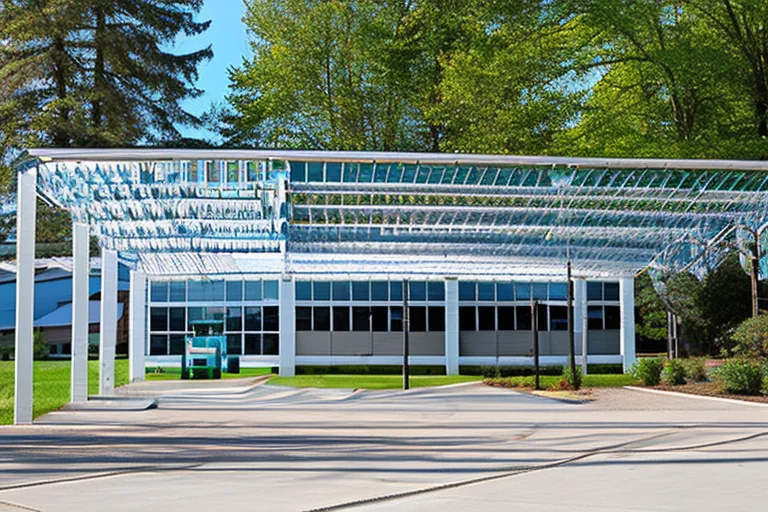
Designing an industrial polycarbonate canopy is not a one-size-fits-all endeavor. It begins with a thorough site assessment. Engineers must evaluate load requirements: dead loads (the weight of the structure itself), live loads (snow, maintenance workers), and critical wind loads specific to the geographic location. The structural framing, typically aluminum or steel, must be engineered to handle these forces, with proper slope for water drainage. The choice between multi-wall polycarbonate (for insulation and diffused light) or solid sheet (for maximum clarity and impact resistance) depends on the application. Integration with existing buildings is also crucial; proper flashing and sealing prevent leaks and ensure a seamless, professional installation.
Installation and Long-Term Value
Professional installation is non-negotiable for industrial canopies. A certified team will ensure the substructure is perfectly level and securely anchored, a factor especially important in regions prone to high winds or seismic activity. They will handle the precise cutting and sealing of polycarbonate panels, using specialized profiles and fasteners designed for thermal expansion and contraction. The long-term value proposition is clear. While the initial investment may be higher than some alternatives, the durability and minimal maintenance of polycarbonate lead to a lower total cost of ownership. There’s no need for regular painting, rust treatment, or frequent panel replacement. The natural light transmission reduces daytime lighting costs underneath the canopy, and the protection it offers can prevent costly downtime and equipment repairs.
Beyond Basic Shelter: Enhancing Operational Efficiency
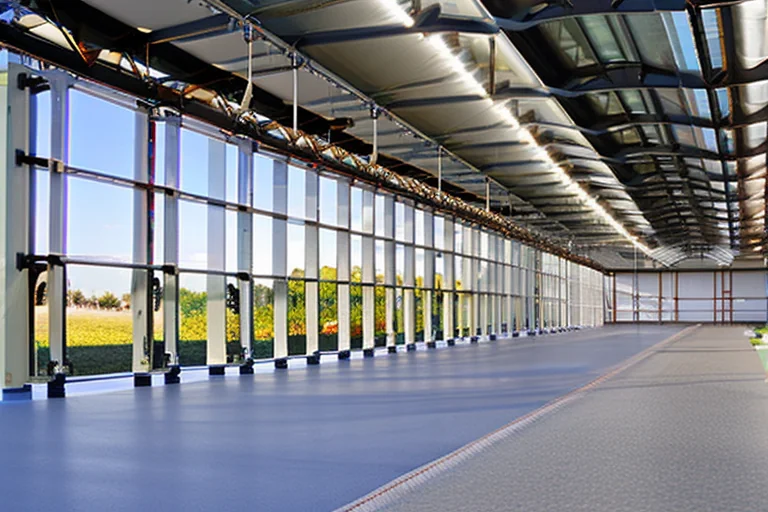
A well-planned heavy-duty canopy does more than just keep things dry; it actively enhances operational efficiency. By creating defined, weather-protected zones, it allows for the optimization of outdoor space. Logistics planning becomes more reliable when weather is removed as a variable at key transfer points. Employee morale and safety improve, leading to higher productivity and lower absenteeism. Furthermore, the clarity and light quality under a polycarbonate canopy maintain a connection to the outdoors without exposure, which can be psychologically beneficial in large industrial complexes. For complex projects requiring custom engineering, such as large clear-span structures or installations in exceptionally challenging environments, working with experts who provide comprehensive engineered canopy systems is essential for success and longevity.
When evaluating shelter solutions for your industrial facility, it’s crucial to look beyond short-term cost and consider long-term performance. Heavy-duty polycarbonate canopies represent a smart investment in infrastructure that protects your physical assets, supports your workforce, and streamlines your operations against the unpredictable forces of nature. Their combination of strength, clarity, and durability makes them an indispensable tool for modern industrial management.
Ready to engineer a more resilient and efficient facility? The right protection system can transform your operational space. Browse Our Complete Polycarbonate Canopy Collection to see the range of solutions available, and Contact Our Canopy Experts Today for a site-specific consultation to address your unique industrial challenges.