
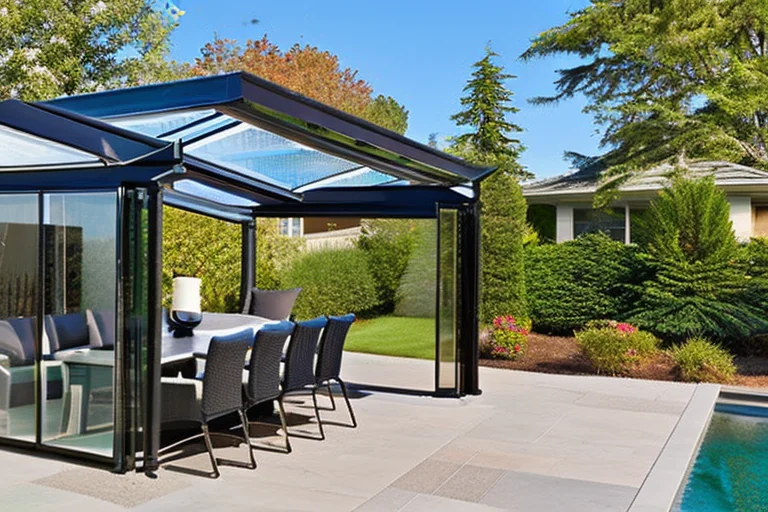
Imagine an outdoor space sheltered from rain and harsh sun, yet bathed in a soft, diffused glow that changes with the time of day. This is the magic achieved by skillfully integrating skylights into polycarbonate canopy structures. It’s a design philosophy that moves beyond mere coverage to create an experience, transforming patios, walkways, and entrances into luminous transitional zones between indoors and out. As an architect, I’ve seen how this combination solves a fundamental challenge: providing robust shelter without creating dark, cave-like spaces. Polycarbonate, with its exceptional strength, light weight, and versatility, is the ideal partner for skylight features, allowing designers to sculpt with light and structure in ways traditional materials cannot match. This integration represents a sophisticated blend of aesthetic vision and practical engineering, where every beam of natural light is intentionally harnessed.
The Core Benefits of Integrating Skylights
The decision to incorporate skylights into a canopy system delivers a multitude of advantages that extend far beyond simple illumination. First and foremost is the dramatic enhancement of natural lighting. A well-planned skylight section can flood an underlying patio or walkway with ambient light, reducing or even eliminating the need for artificial lighting during daylight hours. This directly translates to energy savings and a smaller carbon footprint for the property. Furthermore, exposure to natural light has been proven to boost mood, increase productivity, and regulate circadian rhythms, making these spaces more enjoyable and healthier for occupants.
From an aesthetic standpoint, skylights introduce dynamic visual interest. They break up the solid plane of a canopy, creating patterns of light and shadow that change throughout the day. This can make a covered area feel more expansive and connected to the sky above. Functionally, certain polycarbonate formulations for skylights can provide superior thermal insulation compared to single-pane glass, helping to moderate temperatures underneath. They also offer crucial UV protection, filtering out harmful rays while transmitting visible light, which protects both occupants and interior furnishings from sun damage. When considering a project that requires both coverage and light, exploring premium suspended canopy solutions can offer elegant possibilities for skylight integration in more complex architectural settings.
Design Considerations for a Successful Integration
Successfully merging skylights with a polycarbonate canopy requires careful planning from the initial design phase. It’s not merely about cutting a hole in the roof; it’s about creating a cohesive, high-performance system.
Material Selection and Polycarbonate Types
The choice of polycarbonate sheet is paramount. For the skylight panels themselves, you typically opt for clear or translucent multi-wall polycarbonate sheets or solid polycarbonate sheets. Multi-wall sheets, with their twin-wall or triple-wall construction, provide excellent thermal insulation and light diffusion, reducing glare and hot spots. Solid sheets offer crystal-clear transparency, similar to glass but with much higher impact resistance, ideal for creating a true “window to the sky” effect. The surrounding canopy panels can use tinted or opal sheets to provide shade, creating a beautiful contrast with the lighter skylight areas. The thickness and coating (UV-resistant on at least one side) must be specified to ensure longevity and performance.
Structural Framing and Support
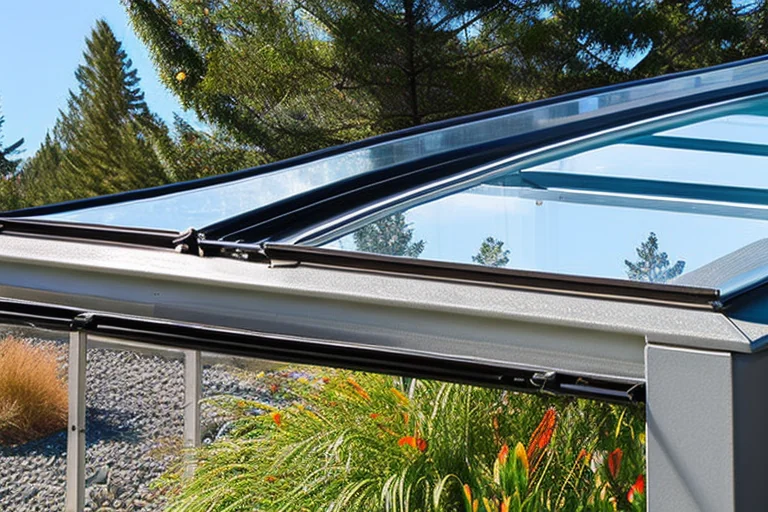
The canopy’s aluminum framing system must be engineered to accommodate the skylights. The openings for skylights create points where the structural grid is interrupted, so additional support beams or perimeter framing is often required to carry the loads around these openings. The framing profiles must be compatible with both the skylight panels and the standard canopy panels, ensuring a seamless and waterproof join. Many modern systems use specialized glazing bars and snap-on covers that create a clean, finished appearance while securely holding the polycarbonate sheets.
Waterproofing and Weatherproofing Details
This is where engineering precision is critical. The junctions between skylight panels and the main canopy, as well as where panels meet the supporting structure, are potential leak points. Proper detailing includes the use of high-quality EPDM or silicone seals, continuous thermal break pads to prevent condensation, and adequately sloped framing to ensure water runoff. Drip edges and gutters should be integrated into the design to manage rainwater effectively, directing it away from the covered space and the structure’s foundation.
The Installation Process: From Plan to Reality
A flawless installation is what brings a well-designed skylight canopy to life. The process begins with precise measurement and layout on the prepared support structure, whether it’s attached to a building facade or as part of a freestanding pergola-type frame. The framing members are assembled first, with extra attention paid to reinforcing the perimeter of the planned skylight openings.
The polycarbonate panels are then carefully cut to size, with the protective film left on to avoid scratches during handling. It’s crucial to account for thermal expansion by drilling oversized holes for fasteners and allowing a small gap between panel edges. Panels are secured using self-drilling screws with integrated EPDM washers, which compress to form a watertight seal. For skylight sections, ensuring a perfect seal is even more vital. After all panels are installed, the protective film is peeled off, revealing the finished surface. Finally, end caps and trim pieces are added to complete the aesthetic and seal the ends of multi-wall panels from dirt and insects.
Innovative Applications and Modern Uses
The application of skylight-integrated polycarbonate canopies is vast and growing. In residential settings, they are perfect for creating bright, all-weather outdoor kitchens, dining areas, and lounge spaces. A central skylight strip over a patio can define a seating area with a beautiful wash of light. Commercially, they are used to create inviting, well-lit entrances for hotels, restaurants, and retail stores, enhancing curb appeal and customer experience. Walkways between buildings on corporate or campus settings benefit tremendously, providing shelter and light, improving safety and comfort for pedestrians.
Public spaces like transit stations, museum courtyards, and hospital healing gardens use large-scale versions of these canopies to create covered yet airy environments. The design flexibility allows for curved forms, barrel vaults, and complex geometries, with skylights following the shape to create stunning architectural statements. For projects in areas prone to severe weather, understanding robust anchoring and installation methods is non-negotiable to ensure the entire system, skylights included, remains secure and intact.
Maintaining Your Luminous Canopy
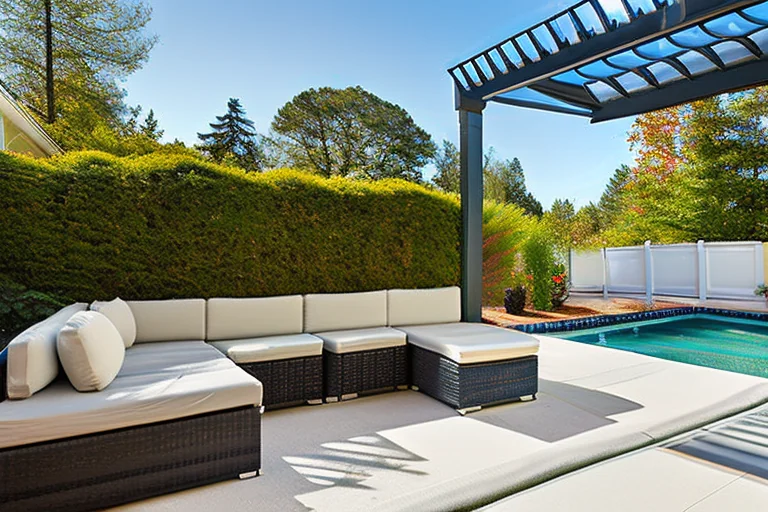
To preserve the beauty and functionality of a polycarbonate canopy with skylights, a simple maintenance routine is essential. The panels should be cleaned periodically with mild soap and water, using a soft cloth or sponge. Avoid abrasive cleaners, solvents, or high-pressure washers, which can damage the UV-protective coating. It’s wise to inspect the seals and fasteners annually, especially after extreme weather events, to ensure no leaks have developed. Keeping gutters and drainage paths clear of debris will prevent water pooling. With proper care, a well-designed and installed polycarbonate skylight canopy will provide decades of reliable service and enduring beauty.
Integrating skylights into your polycarbonate canopy design is a powerful way to elevate a functional structure into a transformative architectural feature. It brings the sky down into your daily life, creating spaces that are protected, bright, and inherently uplifting. Ready to illuminate your next project? Browse Our Complete Polycarbonate Canopy Collection to explore materials and styles, and Contact Our Canopy Experts Today for a personalized consultation to bring your vision of light and structure to life.