
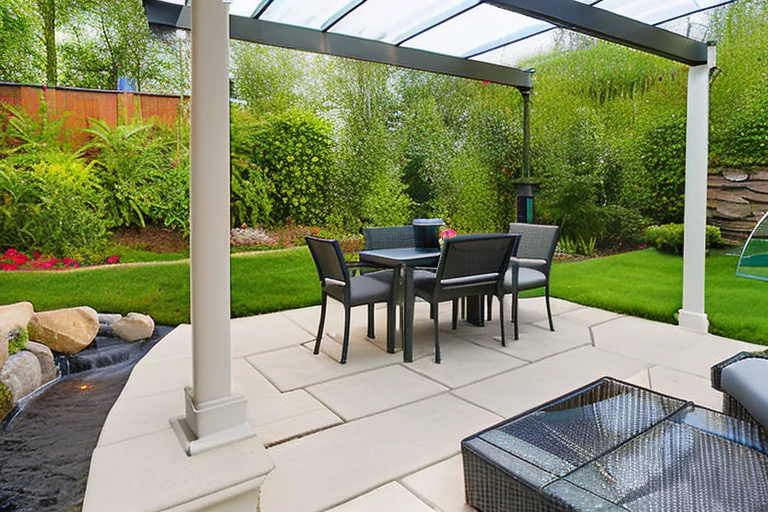
When you invest in an outdoor structure, you’re not just buying shade—you’re purchasing peace of mind against whatever nature throws your way. As an architect who has specified countless materials, I consistently return to polycarbonate for canopy applications because of its remarkable balance of strength, clarity, and resilience. Homeowners and business owners alike need shelters that perform reliably through seasonal downpours, heavy winter snows, and gusty winds without constant maintenance or worry. Polycarbonate canopies deliver precisely this performance, combining engineering sophistication with practical durability to create outdoor spaces that remain functional and beautiful year-round.
Understanding Polycarbonate’s Inherent Weather Resistance
Polycarbonate stands apart from other canopy materials due to its unique molecular structure. This thermoplastic polymer possesses exceptional impact strength—up to 250 times stronger than glass of the same thickness—while remaining remarkably lightweight. Unlike materials that become brittle in cold temperatures or soften excessively in heat, polycarbonate maintains its structural integrity across a wide temperature range, typically from -40°F to 240°F. This thermal stability is crucial for withstanding the expansion and contraction cycles that gradually degrade lesser materials. The UV-resistant coatings applied to quality polycarbonate sheets prevent yellowing and degradation from sun exposure, ensuring your canopy remains transparent and strong for decades rather than years.
Performance in Heavy Rainfall
Rain protection represents one of the most fundamental requirements for any canopy system. Polycarbonate excels in this area through its completely waterproof nature and intelligent design possibilities. The material itself is impervious to water penetration, but the real magic happens in how you can shape it. Multi-wall polycarbonate sheets feature internal channels that not only provide insulation but also create pathways for condensation to drain efficiently. Properly installed polycarbonate panels shed water cleanly without pooling, which prevents the algae growth and staining common with some materials. For areas with particularly heavy rainfall, consider extended corner canopy solutions that provide additional coverage where wind-driven rain often penetrates standard designs.
Design Considerations for Maximum Water Runoff
The effectiveness of any canopy in handling rainfall depends significantly on its design parameters. I always recommend a minimum slope of 5 degrees for polycarbonate installations, though 10-15 degrees provides optimal water shedding, especially in regions prone to torrential downpours. The panel layout should direct water toward designated drainage points rather than allowing it to cascade randomly over edges. Strategic placement of gutters and downspouts integrated with the canopy frame creates a complete water management system that protects both the structure itself and the area beneath it. These considerations transform a simple rain cover into a sophisticated weather management system.
Snow Load Capacity and Safety
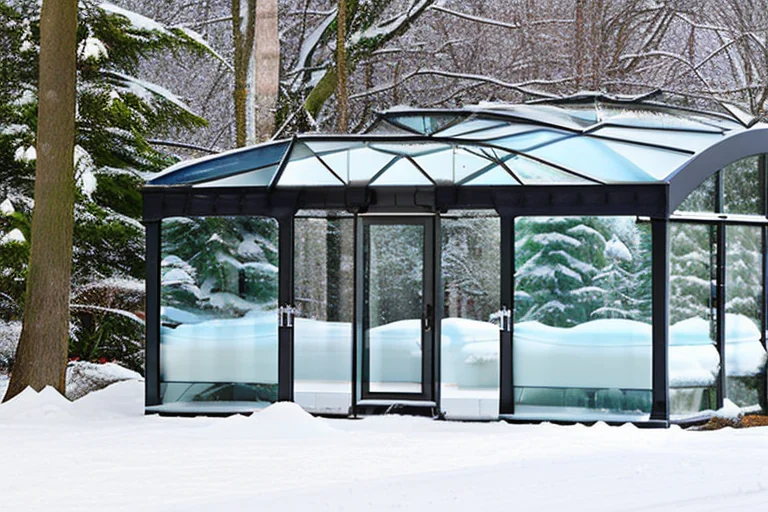
Snow presents a completely different challenge than rain—it’s not about shedding liquid but supporting significant weight. Polycarbonate canopies demonstrate impressive snow load capabilities when properly engineered. The material’s inherent flexibility allows it to flex slightly under heavy snow accumulation rather than cracking like glass or acrylic might. This flexibility, combined with appropriate structural support, enables polycarbonate canopies to safely support snow loads ranging from 20 to 60 pounds per square foot depending on the specific product and installation method. Crucially, the slippery surface of polycarbonate often encourages snow to slide off once it reaches a certain weight, creating a self-cleaning effect that prevents dangerous over-accumulation.
Engineering for Winter Conditions
Successfully withstanding snow loads requires attention to both the polycarbonate sheets and their supporting framework. Thicker multi-wall panels (16mm or greater) provide substantially higher load-bearing capacity than thinner options. The spacing of purlins—the horizontal supports beneath the panels—must be calculated based on expected snow loads in your specific region. In areas with heavy snowfall, reducing purlin spacing by 25-30% compared to standard installations dramatically increases the system’s load capacity. Additionally, the transparency of polycarbonate allows sunlight to penetrate and gently warm the surface, facilitating natural snow melt that further reduces accumulation.
Wind Resistance and Structural Integrity
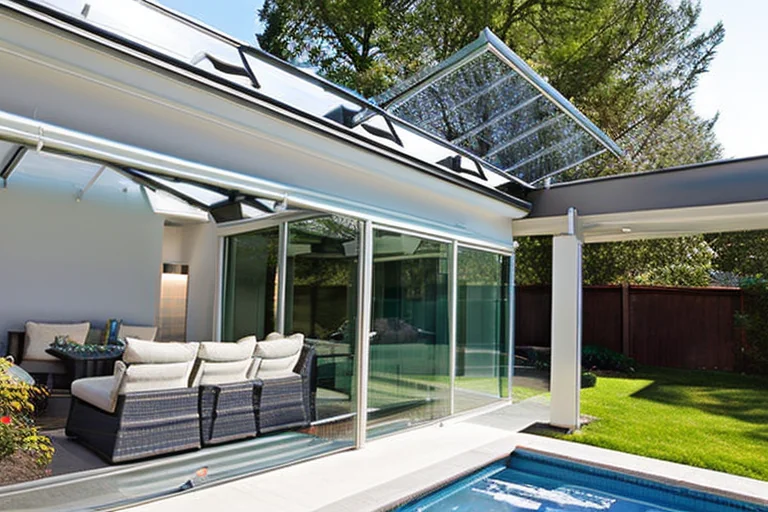
High winds represent perhaps the most dramatic test for any canopy system. Polycarbonate’s combination of strength and flexibility makes it exceptionally well-suited to withstand wind events that would damage more rigid materials. The secret lies in its ability to absorb and dissipate wind energy rather than resisting it rigidly. When properly anchored, polycarbonate panels can safely flex and return to their original position after wind gusts up to 90-110 mph, depending on the specific installation. This dynamic response to wind pressure significantly reduces the stress on both the panels and the supporting structure compared to materials that attempt to remain completely rigid under wind load.
Anchoring Systems for Maximum Wind Performance
The most wind-resistant polycarbonate panels will still fail if the supporting structure isn’t properly secured. Effective wind resistance requires a holistic approach that considers the entire system—from the panel-fastening method to the foundation. Mechanical fixing systems that allow for thermal expansion while maintaining a secure connection are essential. For freestanding structures, concrete footings sized appropriately for your soil conditions and wind zone provide the necessary stability. Wall-mounted installations require attachment to structural framing members rather than just siding or facade materials. In coastal or particularly windy regions, consider specialized high-wind installation methods that include redundant anchoring points and aerodynamic designs that minimize wind uplift.
Combined Weather Events and Real-World Performance
Nature rarely tests canopies with just one weather condition at a time. The true measure of a canopy’s worth comes during combined events—freezing rain followed by snow, or wind-driven rain during temperature fluctuations. Polycarbonate’s versatility shines in these complex scenarios. Its impact resistance prevents damage from hail or windborne debris, while its thermal insulation properties reduce condensation and ice formation on the underside. The non-porous surface prevents water absorption that could lead to freeze-thaw damage in colder climates. These combined benefits create a canopy system that provides reliable performance through seasonal transitions and unexpected weather patterns.
Installation Best Practices for Maximum Durability
Even the highest quality polycarbonate panels will underperform if installed incorrectly. Proper installation begins with acknowledging that polycarbonate expands and contracts with temperature changes—typically allowing 1/8 inch per foot of panel length for movement. Using specialized installation profiles that accommodate this movement prevents stress cracks and fastener failure over time. Always install panels with the UV-protected side facing outward, and use only manufacturer-recommended sealing tapes and fixings. For optimal weather resistance, I recommend hiring professionals experienced with polycarbonate systems rather than treating it as a standard roofing material.
Long-Term Maintenance and Weather Resistance
The weather resistance of polycarbonate canopies isn’t just about initial installation—it’s about maintaining that performance over decades of service. Fortunately, polycarbonate requires minimal maintenance compared to many canopy materials. Annual cleaning with mild soap and water preserves clarity and appearance. Periodic inspections of seals, fasteners, and structural connections ensure early detection of any issues before they compromise weather resistance. Unlike wood that requires staining or metal that may need rust treatment, polycarbonate maintains its weather-resistant properties with basic care, providing outstanding long-term value.
Applications Where Weather Resistance Matters Most
The exceptional weather resistance of polycarbonate canopies makes them ideal for applications where reliability cannot be compromised. Residential entries and patio covers benefit from year-round protection that enhances living space usability. Commercial applications like restaurant patio covers, hotel entrances, and shopping center walkways require the dependable performance that polycarbonate provides. Institutional settings such as school entrances, hospital drop-offs, and public transportation shelters all benefit from polycarbonate’s ability to withstand constant use and exposure while maintaining safety and appearance.
Ready to explore how polycarbonate canopies can solve your weather protection needs? Browse Our Complete Polycarbonate Canopy Collection to see the full range of options available. For personalized guidance on selecting the right solution for your specific climate challenges, Contact Our Canopy Experts Today. Don’t leave your outdoor space vulnerable to the elements—Schedule Your Free Design Consultation and discover the lasting protection that quality polycarbonate provides.